
Your brand's visual identity serves as the foundation for every interaction with your audience. When businesses invest in logo design and website packages, they're not simply purchasing graphics and web pages-they're building a comprehensive system that communicates who they are, what they value, and why customers should care. This integrated approach ensures consistency across all touchpoints while streamlining the design process and often providing better value than purchasing these services separately.
Understanding Logo Design and Website Packages
Logo design and website packages bundle two essential brand elements into a single offering. These packages recognize that your logo and website must work together harmoniously to create a cohesive brand experience.
The strategic advantage lies in having one design team handle both elements simultaneously. When the same professionals create your logo and website, they ensure visual consistency, shared color palettes, and unified typography. This coordination prevents the disjointed appearance that can occur when different vendors handle separate components.
Core Components of Comprehensive Packages
Most logo design and website packages include several fundamental elements that work together to establish your digital presence:
Logo Design Elements:
- Multiple concept explorations
- Revision rounds based on client feedback
- Final files in various formats (vector, raster, web-optimized)
- Brand style guide with usage guidelines
- Color variations for different backgrounds
- Favicon creation for browser tabs
Website Design Elements:
- Custom homepage and interior page designs
- Responsive layouts for mobile and tablet devices
- Content management system integration
- Basic SEO optimization
- Contact forms and calls-to-action
- Social media integration
The psychology behind effective design matters significantly. When designing your brand, understanding how visual elements trigger emotional responses helps create connections that transcend mere aesthetics. This psychological foundation informs both logo creation and website architecture.
Package Tiers and Pricing Structures
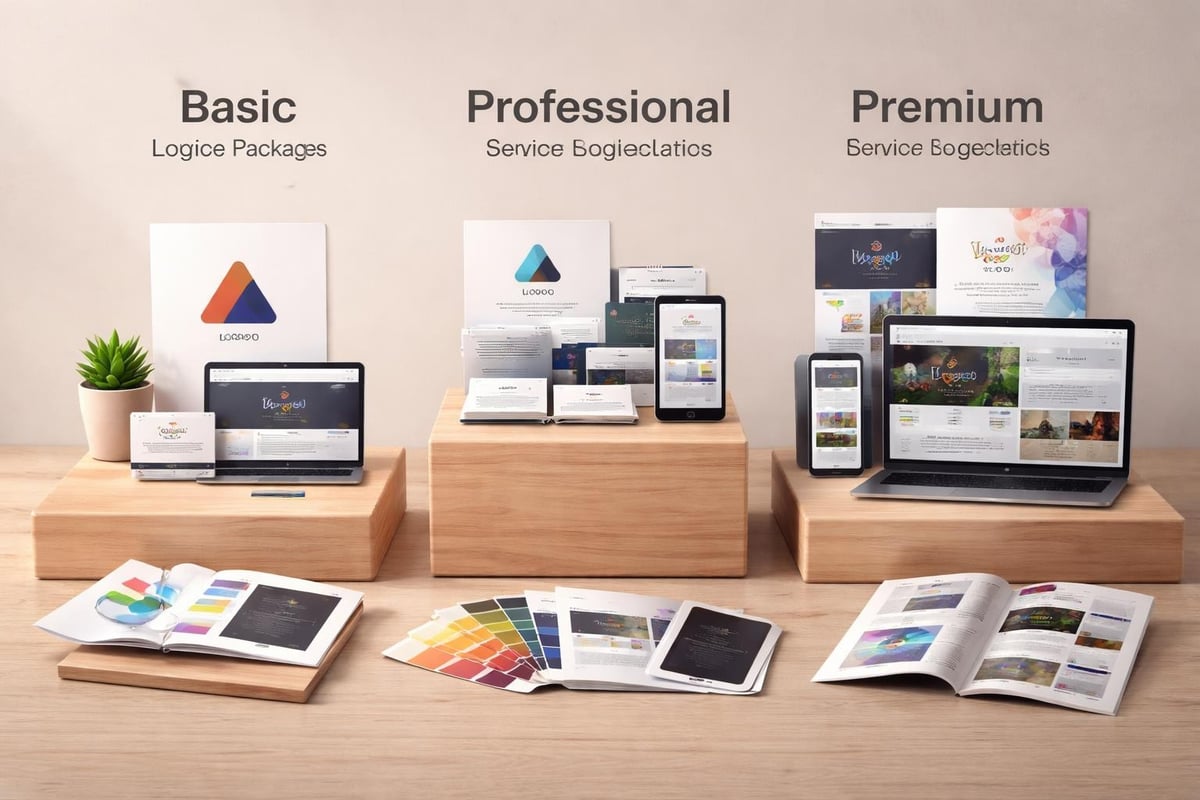
Logo design and website packages typically fall into three distinct categories, each serving different business needs and budgets.
| Package Level | Logo Deliverables | Website Features | Typical Price Range |
|---|---|---|---|
| Basic | 2-3 concepts, 2 revisions | 3-5 pages, template-based | $1,500-$3,500 |
| Professional | 4-5 concepts, unlimited revisions | 5-10 pages, semi-custom | $3,500-$8,000 |
| Premium | Unlimited concepts, brand strategy | 10+ pages, fully custom | $8,000-$25,000+ |
Basic Packages for Startups
Entry-level offerings provide essential branding elements perfect for new businesses with limited budgets. These packages deliver professionally designed logos with basic variations and template-based websites that still look polished.
The limitations typically involve fewer revision cycles and reduced customization options. However, for businesses just launching, these constraints rarely hinder success. The focus remains on establishing a credible online presence quickly.
Professional Packages for Growing Businesses
Mid-tier logo design and website packages offer substantially more customization and strategic thinking. Design teams invest time understanding your market position, competitive landscape, and growth objectives.
These packages often include competitive analysis, target audience research, and brand positioning work. The website development incorporates custom functionality, advanced integrations, and performance optimization that template-based solutions cannot provide.
When evaluating website design packages, consider how each tier aligns with your current needs versus future growth plans. Investing slightly above your immediate requirements often proves more cost-effective than upgrading within the first year.
Premium Packages for Established Enterprises
High-end packages deliver comprehensive brand systems with extensive strategic planning. These offerings suit established businesses undergoing rebranding or companies entering new markets.
Premium packages frequently include:
- Extensive market and competitor research
- Brand positioning workshops with stakeholders
- Complete brand guidelines covering all applications
- Advanced website features like member portals or e-commerce
- Ongoing support and maintenance agreements
- Content strategy and copywriting services
The investment reflects the deep strategic work and custom development required to create truly distinctive brand experiences.
Design Trends Shaping 2026 Packages
The visual landscape continues evolving, and logo design and website packages must adapt to remain effective. Understanding logo design trends that will define 2026 helps businesses make informed decisions about their brand investments.
Adaptability Across Platforms
Modern logos must perform flawlessly across countless contexts-from massive billboards to tiny mobile app icons. This requirement has pushed designers toward simplified forms that maintain recognition at any size.
Your package should deliver logo variations optimized for different applications. These might include horizontal and vertical lockups, icon-only versions, and simplified renditions for small-scale usage.
Website designs similarly must adapt seamlessly across devices. Responsive design no longer suffices; packages should include testing across actual devices and browsers to ensure consistent experiences.
Emotional Resonance Through Color Psychology
The secret behind your brand colors extends beyond aesthetic preference. Strategic color selection influences perception, emotions, and purchasing decisions.
Quality logo design and website packages incorporate color psychology consultations. Designers should explain why specific palettes align with your brand personality and target audience expectations. This strategic approach creates deeper connections than arbitrary color choices.
Evaluating Design Tools and Platforms
When agencies create logo design and website packages, the tools they employ significantly impact final quality and long-term flexibility.
Logo Creation Technology
Professional designers use vector-based software that ensures infinite scalability without quality loss. The best logo maker tools have evolved considerably, but human creativity and strategic thinking remain irreplaceable.
Packages should deliver files in multiple formats:
- Vector files (AI, EPS, SVG) for print and scaling
- High-resolution PNG files with transparent backgrounds
- JPG files for general digital use
- PDF files for document sharing
Website Building Platforms
The platform underlying your website determines maintenance ease, scalability, and long-term costs. Popular options each offer distinct advantages.
WordPress powers approximately 43% of all websites, offering unmatched flexibility and plugin ecosystems. However, this power requires more technical knowledge for updates and maintenance.
Platforms like Wix and Squarespace provide user-friendly interfaces perfect for businesses wanting hands-on control. Understanding Wix’s pricing structure and Squarespace’s various plans helps determine if these solutions fit your package needs.
For agencies and designers, the Duda website builder offers white-label capabilities and client management features that streamline package delivery.
Essential Design Principles for Lasting Impact
Quality logo design and website packages adhere to fundamental design principles that ensure longevity and effectiveness.
Logo Design Best Practices
Creating memorable logos requires balancing creativity with strategic restraint. Following established logo design best practices prevents common pitfalls that undermine brand recognition.
Critical considerations include:
- Simplicity: Complex designs become muddy at small sizes
- Versatility: Logos must work in color and black-and-white
- Relevance: Visual elements should connect to your industry or values
- Timelessness: Avoid trendy elements that quickly appear dated
- Distinctiveness: Stand apart from competitors in your space
The dos and don’ts of logo design provide practical guidance for avoiding mistakes. Using too many fonts, overly complex imagery, or cliché symbols weakens brand identity.
Additional logo design tips emphasize proper alignment, thoughtful negative space usage, and ensuring designs reproduce well across mediums.
Website User Experience Principles
Your website must guide visitors toward desired actions without confusion or friction. Many businesses unknowingly create website experiences that confuse people, driving potential customers away.
Navigation should follow familiar patterns that users intuitively understand. Information architecture must prioritize the content visitors seek most frequently. Visual hierarchy guides attention toward primary conversion points.
Loading speed dramatically impacts both user experience and search rankings. Logo design and website packages should include performance optimization ensuring pages load within three seconds, even on mobile connections.
Maximizing Package Value Through Strategic Planning
Extracting maximum value from logo design and website packages requires preparation before engaging designers.
Pre-Design Research and Positioning
Investment in strategic groundwork pays dividends throughout the design process. Define your target audience with specificity-demographics, psychographics, pain points, and aspirations. This clarity enables designers to create visuals that resonate.
Analyze competitors to identify visual territories to avoid and opportunities to differentiate. Understanding your market position informs design decisions that strengthen your unique value proposition.
Document your brand personality using descriptive adjectives. Are you playful or serious? Traditional or innovative? Luxury or accessible? These characteristics guide aesthetic choices throughout your logo and website.
Collaboration and Feedback Processes
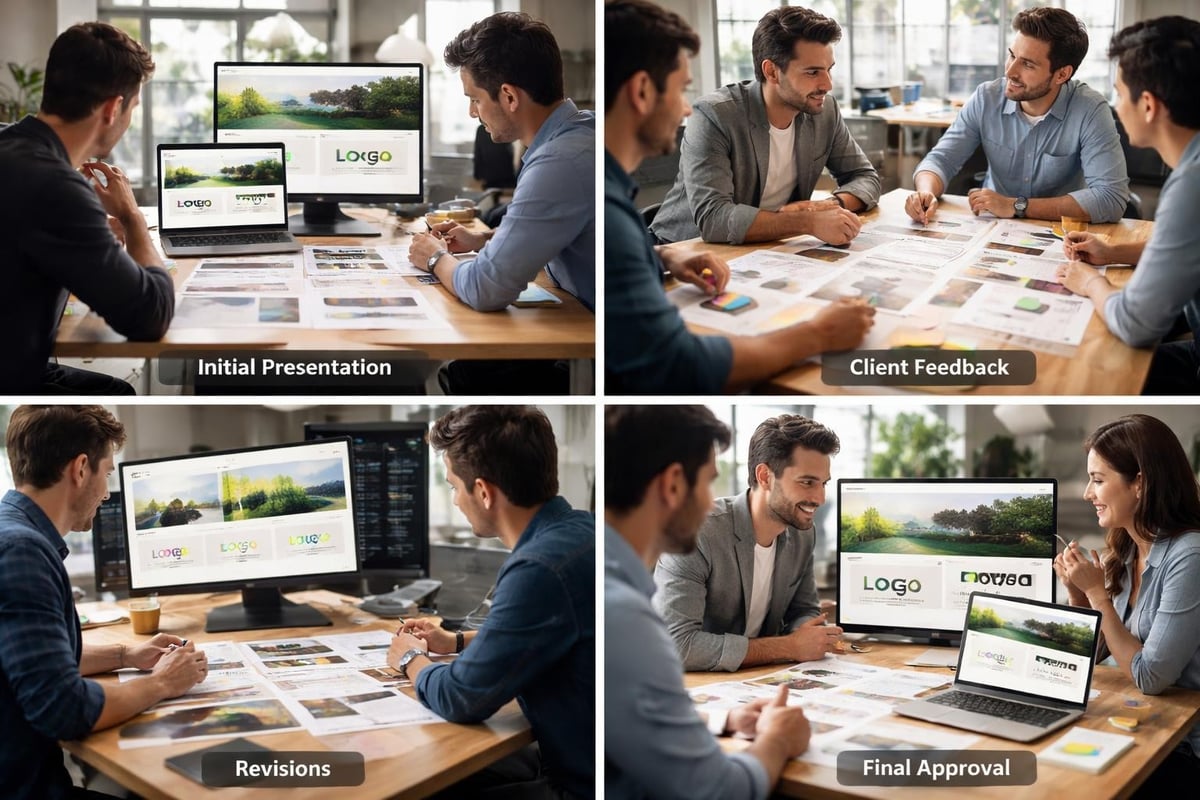
The design process requires active participation, not passive observation. Prepare to provide detailed, constructive feedback that helps designers understand your vision.
When reviewing concepts, focus on strategic alignment rather than personal preferences. Does this logo communicate our brand personality? Will our target audience connect with these visual elements? Does the website guide users toward conversion goals?
Organize feedback clearly:
- Separate subjective preferences from strategic concerns
- Explain the reasoning behind requested changes
- Prioritize revisions from critical to optional
- Provide specific examples rather than vague directions
- Consolidate team feedback before submitting to designers
Integration with Broader Marketing Efforts
Logo design and website packages represent just one component of comprehensive brand strategy. These visual elements must integrate seamlessly with all marketing initiatives.
Social Media Consistency
Your logo appears across every social platform, from profile pictures to cover images. Packages should include properly sized versions for major platforms-Facebook, Instagram, LinkedIn, Twitter, and others.
Polishing your brand’s social media aesthetic extends beyond logo placement. Color palettes, typography, and design elements from your website should inform social content creation, building recognition across channels.
Content Marketing Alignment
Websites serve as hubs for content marketing efforts. If blogging fits your strategy, ensure your package includes optimized blog layouts that encourage reading and sharing.
Content strategy should influence website architecture during initial design. Topic clusters, internal linking structures, and conversion pathways work best when planned alongside visual design rather than retrofitted later.
Conversion Optimization Features
Beautiful design means nothing without conversions. Logo design and website packages should incorporate elements that drive action:
- Clear, compelling calls-to-action placed strategically
- Trust signals like testimonials and credentials
- Frictionless contact forms requesting minimal information
- Live chat options for immediate engagement
- Performance tracking through analytics integration
Understanding how to increase the time users spend on your site involves both visual appeal and functional excellence. Engaging layouts, intuitive navigation, and valuable content work together to reduce bounce rates.
Long-Term Considerations and Package Support
Your relationship with design partners shouldn't end when files are delivered. Quality logo design and website packages include provisions for ongoing support and future growth.
Maintenance and Update Agreements
Websites require regular updates for security, performance, and content freshness. Some packages include maintenance agreements covering technical updates, backups, and security monitoring.
Clarify what happens after launch. Who handles updates? What support channels exist? How quickly can you expect responses to technical issues? These operational details prevent frustration later.
Scalability and Future Expansion
Your business will evolve, and your digital presence must adapt accordingly. Discuss scalability during package selection. Can additional pages be added easily? Does the platform support advanced features you might need later?
Planning for growth prevents costly platform migrations down the road. Investing slightly more initially for a flexible foundation often costs less than switching systems within two years.
Brand Evolution and Refinement
Brands mature over time, sometimes requiring refreshes to remain relevant. Quality designers maintain source files and documentation enabling future updates without starting from scratch.
Understanding when to create new offers for your target audience might necessitate brand extensions or visual updates. Having organized brand assets and clear usage guidelines facilitates these evolutions.
Selecting the Right Partner for Your Package
Choosing who creates your logo design and website packages significantly impacts results. Different agencies bring varying strengths, processes, and perspectives.
Evaluating Portfolio and Expertise
Review potential partners' previous work critically. Look beyond aesthetic appeal to strategic thinking. Do their case studies demonstrate understanding of business objectives? Can they articulate why specific design decisions support client goals?
Industry experience matters less than strategic capability. An agency unfamiliar with your specific niche but excellent at research and positioning often outperforms specialists who rely on generic templates.
Understanding Design Processes
Transparent processes indicate professionalism and reduce miscommunication. Quality agencies clearly outline:
- Discovery and research phases
- Number of initial concepts presented
- Revision policies and limitations
- Timeline from kickoff to completion
- Communication protocols and check-in frequency
- File delivery formats and licensing terms
Beware of agencies promising results too quickly. Comprehensive logo design and website packages require time for research, strategy, design iteration, and refinement. Rush jobs inevitably sacrifice quality.
Assessing Strategic Capabilities
The best packages include strategic thinking alongside creative execution. Partners should ask probing questions about your business, not just design preferences.
Expect discussions about:
- Target audience characteristics and preferences
- Competitive landscape and differentiation opportunities
- Brand positioning and personality
- Business goals and growth plans
- Customer journey and conversion objectives
Agencies that lead with strategy create more effective designs than those focused purely on aesthetics.
Investing in cohesive logo design and website packages creates the foundation for authentic brand connections and sustainable growth. When visual identity and digital presence align strategically, businesses communicate with clarity while building recognition that compounds over time. New Love Marketing & Design combines psychology, strategy, and design expertise to create brand systems that resonate emotionally and perform with purpose, using The M Method framework to help businesses establish digital presences that truly connect with their audiences.