
Micro branding is transforming how brands win in 2026, setting new standards for connection and impact.
In a crowded digital world, standing out is harder than ever. Recent data shows that 73% of consumers now favor brands that recognize their personal needs, highlighting the urgency for a more tailored approach.
Businesses face a real struggle: generic branding simply does not work anymore. Today’s consumers crave brands that feel relevant and authentic at every touchpoint.
Ready to make your brand unforgettable? This guide will give you clear, actionable steps to craft a unique identity that thrives on every platform and within every niche.
We will define micro branding, explore its benefits, walk through step-by-step identity building, share real examples, and reveal strategic tips for 2026 success.
Understanding Micro Branding in 2026
Micro branding is transforming how brands connect with audiences in today's digital-first world. As platforms multiply and attention spans shrink, brands can no longer rely on generic visuals or broad messaging. Instead, micro branding empowers businesses to create tailored, resonant experiences for specific communities, ensuring every interaction feels personal and unforgettable.

What is Micro Branding?
Micro branding is a focused approach to brand identity, where every element is crafted for a specific audience, platform, or context. Rather than relying on a single, static logo, brands now develop adaptive assets that flex across channels. This shift is about depth, not width—micro branding builds intense loyalty among smaller, highly engaged communities.
Traditional branding often stops at a universal look, but micro branding takes it further. Consider Duolingo: its playful mascot performs on TikTok, while the brand adopts a more professional voice for LinkedIn. Despite these variations, the core brand DNA remains intact. The power of micro branding lies in intentional flexibility, ensuring relevance in every environment without losing consistency.
Why Micro Branding Matters More Than Ever
Consumers today experience brand fatigue. According to recent competitor statistics, 86% now value authenticity over polished, generic messaging. The sheer number of digital touchpoints means brands must adapt not only visuals but also messaging for each scenario.
Micro branding enables rapid responses to market changes and audience needs, fostering trust and loyalty. By positioning themselves within niches, brands achieve higher engagement and conversion rates than broad-targeted campaigns. Data consistently shows that focused, relevant messages cultivate stronger connections and enduring brand loyalty.
The Evolution: From Single Logos to Logo Sets
Relying on a single logo is no longer effective in a landscape where brands appear on everything from billboards to app icons. The solution is a cohesive set of brand assets—full logos, icons, wordmarks, and monograms—each optimized for its use case.
For example, Heineken uses a detailed logo on large billboards but switches to a simplified red star for digital icons. This multi-format approach maintains consistency while enhancing adaptability and memorability. For a deeper dive into why diverse logo formats matter, see Three logo variations every brand needs.
This evolution improves user experience, ensuring branding remains clear and legible across all digital and physical touchpoints.
Key Benefits of Micro Branding
Micro branding delivers distinct advantages for brands ready to adapt:
- Enhanced adaptability across social media, web, merchandise, and more
- Improved user experience through clarity and legibility
- Greater memorability and stronger brand recall
- Niche-based loyalty and deeper emotional connections
- Less competition and higher conversion rates within targeted segments
By embracing micro branding, brands can create a seamless, relevant presence that stands out in crowded markets and builds genuine, lasting relationships with their ideal audience.
Step-by-Step: Building Your Unique Micro Brand Identity
Building a standout micro branding identity in 2026 requires a strategic, focused approach. The following step-by-step guide will help you create a brand that resonates deeply with your ideal audience, adapts across platforms, and grows stronger within its niche.

1. Define Your Niche and Audience
Micro branding starts with laser-focused audience definition. Instead of casting a wide net, identify a specific group whose needs you understand intimately. For example, targeting "female solopreneurs in wellness" is more effective than "entrepreneurs."
Begin by analyzing your current audience. What are their pain points, aspirations, and daily challenges? Next, select a segment you find exciting and validate that there is real demand. Ask yourself:
- Who do I genuinely want to serve?
- What unique problem can my brand solve?
- Where is there untapped opportunity?
A wellness founder who narrowed her focus saw engagement double and sales triple. Niche clarity reduces competition and boosts relevance. For a detailed checklist of actionable steps, consult The creative entrepreneur’s branding checklist.
Micro branding thrives on depth, not breadth. The tighter your focus, the stronger your connection and results.
2. Craft a Resonant Brand Story
A compelling brand story is the heart of effective micro branding. Your origin, mission, values, and vision should speak directly to your audience's world. Use their language. If your niche is remote developers struggling with mental health, "overwhelmed" might resonate more than "stressed."
Authenticity is key. Share real struggles, milestones, and the "why" behind your brand. Structure your story with a clear beginning, middle, and end—showing transformation and purpose.
Competitor frameworks often emphasize the emotional journey: where you started, what you learned, and how you help. Brands like those catering to climbers or wellness advocates build trust by reflecting shared experiences.
When your story strikes a chord, micro branding becomes a magnet for loyalty and advocacy.
3. Design Adaptive Visual Identity
Visual consistency is crucial for micro branding across today’s many platforms. Create a flexible identity system: logo sets, color palettes, typography, and imagery that adapt while staying recognizable.
Design psychology matters. Tech brands may use minimal styles, while wellness brands favor calming hues. Build a toolkit that includes:
- Logo variations (full, icon, wordmark, monogram)
- Scalable assets for digital and print
- On-brand visuals matching your audience’s taste
For example, Warner Bros. adapts its logo for different contexts, while TarraLink Structures maintains clarity across sizes. A table like the one below can help you plan your visual assets:
| Asset Type | Where to Use | Purpose |
|---|---|---|
| Full Logo | Website, print | Brand recognition |
| Icon | App, favicon | Quick ID |
| Wordmark | Social, merch | Name clarity |
| Monogram | Small spaces | Visual shorthand |
Legibility and recognizability at any size are non-negotiable in micro branding.
4. Create Targeted, Value-Driven Content
Content is the engine of micro branding, fueling engagement and authority. Tailor your output to your niche’s needs: educational posts, behind-the-scenes glimpses, case studies, and community stories.
A winning content calendar might look like:
- 40% educational
- 30% personal connection
- 20% proof (results, testimonials)
- 10% promotional
Micro brands succeed by sharing actionable insights and real stories, not just polished marketing. Competitor data shows such content outperforms generic campaigns in both engagement and conversion.
Plan efficiently with tools like Trello or Notion and measure what resonates most. The right content strategy strengthens your micro branding and builds lasting trust.
5. Choose the Right Platforms and Measure Success
Selecting the best platforms is essential for micro branding. Match your audience: LinkedIn for B2B, Instagram for lifestyle, TikTok for Gen Z, and so on. Adapt visuals and messaging to each channel’s norms and expectations.
Success is not about follower count, but real interaction. Measure:
- Engagement (comments, shares, DMs)
- Website traffic from social
- Conversion rates from niche campaigns
Competitor insights confirm that micro brands thrive when present where their audience is most active. Regularly review metrics and listen to feedback.
Micro branding flourishes when you meet your audience on their turf and evolve based on real data.
Essential Elements of a Micro Branding Identity Kit
A successful micro branding strategy relies on a robust identity kit. This kit ensures your brand remains consistent, adaptable, and memorable across every digital and physical touchpoint. Each element, from logo variations to messaging guidelines, works together to create a seamless brand experience. Let us break down the essential components you need for a thriving micro branding presence.
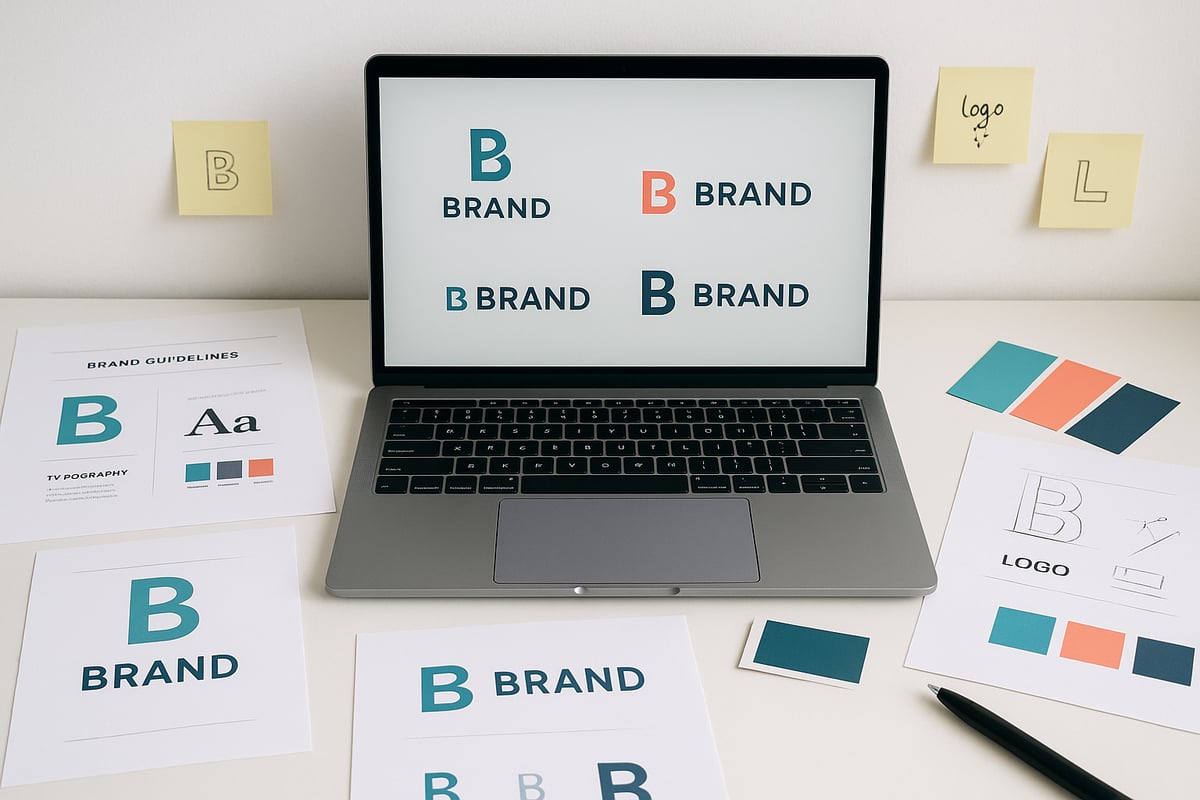
Logo Variations for Every Touchpoint
Effective micro branding starts with versatile logo assets. Relying on a single logo limits your adaptability in today’s multi-platform world. Instead, create a set that includes:
- Full logo for your website or presentations
- Icon or symbol for app icons and favicons
- Wordmark for headers and print materials
- Monogram or badge for merchandise and social avatars
For example, Fluere Cosmetics uses a detailed logo for packaging, while Heineken applies its iconic red star as a simplified mark for mobile. Consistent use of these logo variations strengthens recognition and supports micro branding across every touchpoint.
Color, Typography, and Imagery Guidelines
A cohesive visual system is the backbone of micro branding. Your color palette should reflect your brand’s personality and resonate with your niche audience. Choose typography that is readable and matches your tone, whether minimalist for tech or organic for wellness. Define your imagery style, using photos, illustrations, or icons that align with your message.
Niche-driven visuals help micro branding stand out. For example, wellness brands often use calming, earthy colors, while creative agencies may opt for bold, energetic hues. Consistency in these elements ensures your brand looks unified everywhere.
Voice, Tone, and Messaging Framework
Micro branding thrives on a clear, authentic voice. Define how your brand sounds across channels by specifying tone for each context, such as playful on social media or professional in emails. Develop messaging pillars to keep communication focused and relevant.
For guidance on developing a unique and consistent brand voice, explore Getting cozy with your brand personality, voice, and tone. Speaking your audience’s language deepens connections, which is vital for micro branding success.
Brand Guidelines & Asset Management
Comprehensive brand guidelines are essential for maintaining consistency as your micro branding evolves. Include clear rules for logo usage, color codes, typography specs, imagery examples, and usage dos and don’ts.
Use asset management tools to organize and share files with collaborators. Regularly updating your guidelines ensures your micro branding remains aligned and cohesive, even as you add new touchpoints or team members.
Micro Branding in Action: Case Studies and Success Stories
Micro branding has transformed the growth trajectory for businesses of every size. By focusing on unique audiences and tailored messaging, brands are seeing measurable results that surpass traditional, broad-based strategies.
Small Brands, Big Wins
Successful micro branding often begins with small brands that embrace niche targeting. Consider a wellness founder who narrowed her focus to female solopreneurs, resulting in double the engagement and triple the sales within a year. Similarly, an AI productivity tool leveraged micro branding to deliver a 67 percent increase in signups and a 28 percent lift in conversions.
What drives these outcomes? Specialization reduces competition and builds relevance, so audiences feel seen and valued. As highlighted in Case Studies of Successful Micro-Influencer Campaigns, targeted branding strategies often outperform larger, less focused campaigns. This proves the power of micro branding in action.
How Major Brands Use Micro Branding
Large organizations are also embracing micro branding to maintain relevance. Duolingo adapts its playful mascot for TikTok, while using a more professional voice on LinkedIn. Warner Bros. adjusts its visual assets for streaming platforms and movie releases, ensuring each touchpoint feels intentional.
Heineken offers another example, with a detailed logo for billboards and a simple red star for app icons. These brands keep their core DNA intact, yet flex their visuals and messaging to fit each platform and audience. The result is a consistent, memorable presence that resonates everywhere.
Lessons Learned and Key Takeaways
Several patterns emerge from successful micro branding case studies. First, deep audience understanding allows brands to craft authentic stories and visuals that connect emotionally. Consistency in adaptive logo sets and messaging ensures a seamless experience across all channels.
Strong micro branding relies on relevance, authenticity, and adaptability. Brands that engage their niche audiences with tailored content and a clear voice see higher loyalty and sustainable growth. The lesson is clear: focus, listen, and stay true to your brand’s unique value.
Common Pitfalls to Avoid
Despite the benefits, some brands struggle with micro branding. A common mistake is trying to appeal to everyone, which dilutes the message and weakens impact. Inconsistent visuals or messaging across platforms can confuse audiences and erode trust.
Neglecting audience feedback or failing to update brand assets as trends shift are also risks. To avoid these pitfalls, conduct regular brand audits, maintain clear guidelines, and prioritize two-way engagement. Continuous improvement keeps your micro branding strong and relevant.
Advanced Strategies for Micro Branding Success in 2026
In 2026, micro branding is not just about standing out visually but about building a deep, lasting connection with your audience. Success now depends on understanding the psychology behind consumer choices, leveraging data-driven tools, fostering communities, maintaining consistency, and staying ahead of trends. Here are the advanced strategies shaping the future of micro branding.
Leveraging Behavioral Psychology for Deeper Connections
Understanding what drives your audience is at the heart of effective micro branding. Behavioral psychology helps brands tap into emotional triggers, habits, and values that influence decisions. Color psychology is a powerful tool—choosing the right hues can instantly communicate mood and intent. For example, wellness brands often use calming blues and greens, while tech startups may opt for energetic oranges or bold blacks. For a deeper dive into color's impact, see The secret behind your brand colors.
Storytelling is another key element. Brands that use authentic narratives build trust and foster loyalty. Emotional resonance is created through:
- Relatable origin stories
- Consistent messaging that mirrors audience language
- Visual cues that match brand values
To refine your approach, employ surveys, interviews, and social listening. These methods reveal what your niche truly cares about, allowing your micro branding to form genuine connections.
Data-Driven Personalization and AI Tools
Micro branding thrives on relevance, and nothing delivers relevance like data-driven personalization. Brands now use advanced segmentation to deliver tailored content, offers, and even visual assets to specific audience segments. AI-powered tools automate this process, adapting logos, colors, and messaging in real time based on user behavior.
For instance, dynamic content platforms can swap out imagery or calls to action, ensuring each visitor receives a personalized experience. This approach boosts engagement and conversion rates, making micro branding efforts far more effective.
Best practices include:
- Using audience analytics to identify key segments
- Implementing privacy-first data collection
- Leveraging AI for content scheduling and asset adaptation
The micro branding landscape is increasingly data-driven, and brands that harness these tools respond faster to market shifts, meeting audience needs more precisely.
Building Community and Brand Evangelists
At the core of micro branding lies the power to unite like-minded individuals. Strong micro brands create passionate communities that amplify brand messages and drive organic growth. User-generated content, interactive campaigns, and private forums help nurture these connections.
Successful strategies include:
- Encouraging customers to share their stories
- Hosting virtual events or webinars tailored to your niche
- Creating exclusive groups for loyal fans
Communities transform customers into brand evangelists, creating a feedback loop that fuels both innovation and trust. Micro branding is most powerful when your audience feels seen, heard, and valued within a shared space.
Maintaining Consistency as You Scale
Scaling a micro brand presents new challenges. As you expand across platforms and grow your team, maintaining a unified identity becomes critical. Consistency in visuals, messaging, and experience reinforces trust and recognition.
To achieve this:
- Develop comprehensive brand guidelines that cover logo use, color codes, and tone
- Use digital asset management tools for easy sharing and updating
- Schedule regular brand audits to catch inconsistencies
Balancing adaptability with a strong core identity is essential for micro branding. Brands that remain consistent, yet flexible, will continue to resonate as they scale.
Future Trends: Micro Branding in a Post-2026 Landscape
Looking ahead, micro branding is set to become even more personalized and immersive. Trends include hyper-personalized experiences powered by AI, AR and VR brand touchpoints, and voice-first branding for smart devices. The rise of “micro-moments,” where brands adapt in real time to individual needs, is also accelerating. For a broader perspective on these shifts, explore The Rise of Micro-Brands in 2026.
Smaller, tightly focused brand communities will continue to outperform broad, generic approaches. Agility and relevance will remain the top priorities as the digital landscape evolves. By embracing innovation and deep audience understanding, micro branding will help brands thrive in an ever-changing world.
How Psychology-Driven Branding Accelerates Micro Brand Growth
In the ever-evolving world of micro branding, standing out requires more than a clever logo or catchy slogan. Brands that truly resonate in 2026 are built on a foundation of psychology-driven strategy, where every element is designed to connect with real human emotions. This is the approach championed by New Love Marketing & Design, a creative studio dedicated to transforming brands through behavioral science, storytelling, and design.
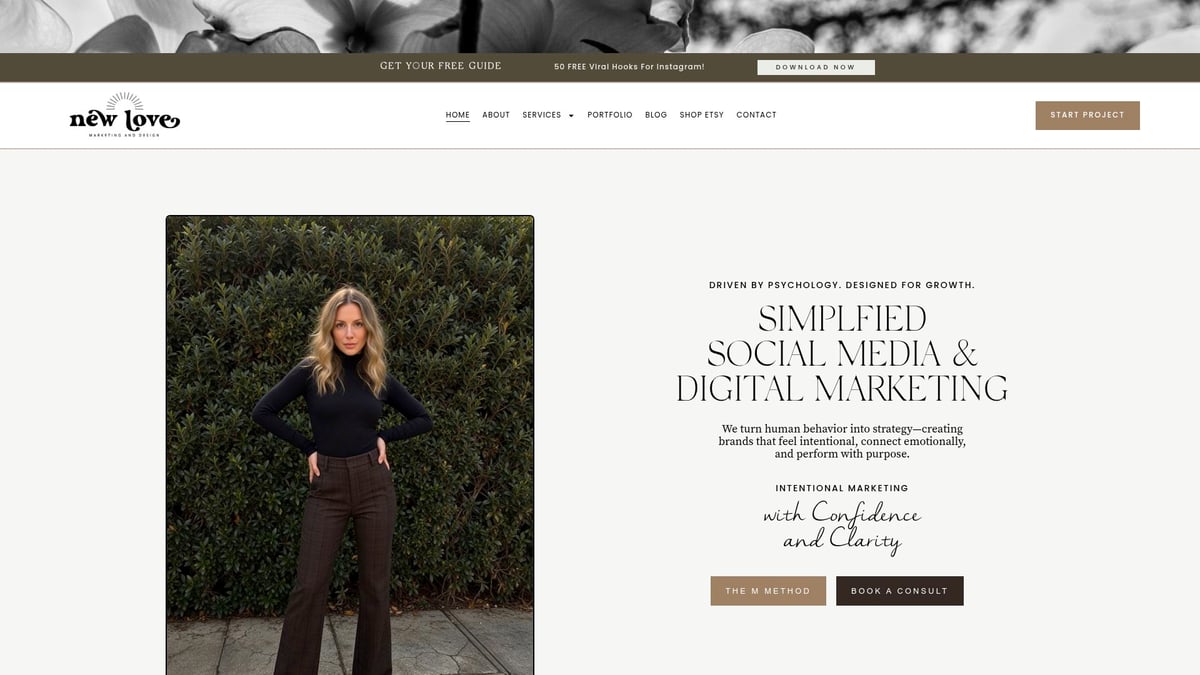
At the heart of their process is The M Method, a proprietary framework that uncovers the psychological triggers and motivations driving your audience. By blending behavioral psychology with data and creative insight, New Love Marketing & Design crafts micro branding identities that are not only visually distinctive but emotionally compelling. This method ensures your brand story, visuals, and voice work together seamlessly to foster trust, loyalty, and engagement.
Their services are tailored for the unique demands of micro branding in today's landscape. Offerings include brand strategy, adaptive logo design, social media marketing, content creation, and digital asset management. Each service is designed to help brands maintain consistency while adapting to the nuances of different platforms, audiences, and contexts.
Results speak louder than promises. Clients partnering with New Love Marketing & Design have reported measurable growth, increased recognition, and features in major industry publications. These outcomes highlight the impact of psychology-driven micro branding in a market where differentiation is crucial. According to Branding Design Industry Statistics 2026, brands that invest in adaptive, psychology-based strategies are leading the shift toward more meaningful and effective digital identities.
What truly sets this studio apart is their personalized, collaborative approach. Every brand journey is unique, and New Love Marketing & Design works closely with clients to uncover their authentic voice and vision. Their team provides access to free resources, guides, and workbooks, empowering you to take control of your micro branding journey from day one.
For brands ready to accelerate growth and stand out in 2026, psychology-driven micro branding is not just a trend, it is a proven path to lasting impact.
Now that you understand how micro branding can transform your business identity in 2026, you may be wondering what your next step should be. The journey to a more memorable, emotionally resonant brand begins with actionable insights and a clear strategy—exactly what we cover in depth on our blog. If you’re ready to dive deeper, explore real-world case studies, and access free resources to help you apply these principles, I invite you to continue your learning journey.
Get Started
Let’s make your brand stand out with clarity and purpose in the year ahead.