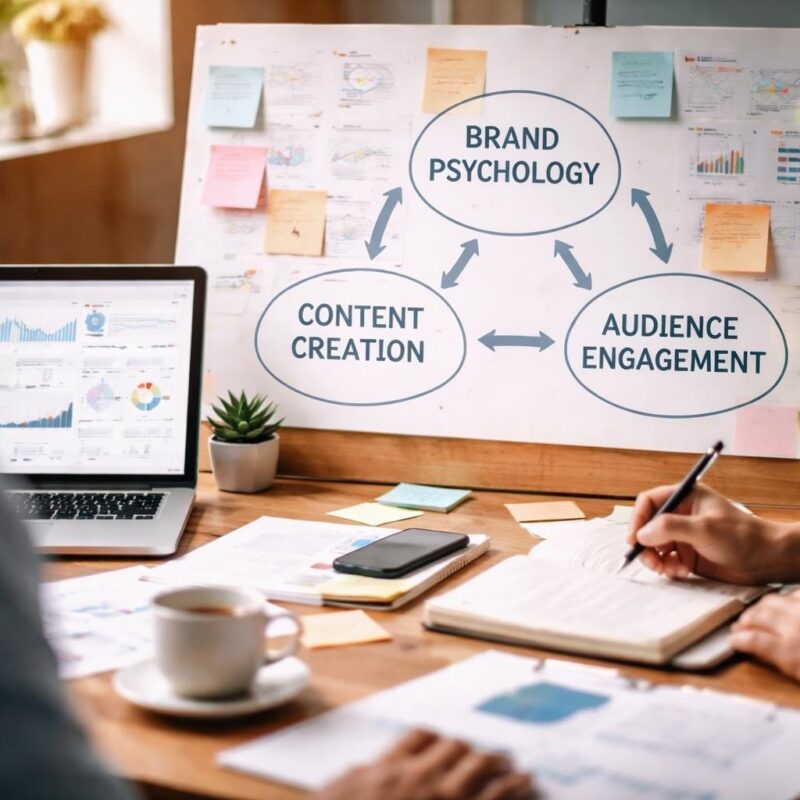
The relationship between visual identity and business success has never been more critical. Every interaction a potential customer has with your brand creates an impression, and graphic design and branding serve as the foundation for those moments. Whether it's the colors you choose, the typography on your website, or the imagery in your social media posts, each element communicates something specific about who you are and what you stand for. Understanding how these disciplines intersect can transform your business from forgettable to unforgettable.
The Strategic Foundation of Visual Identity
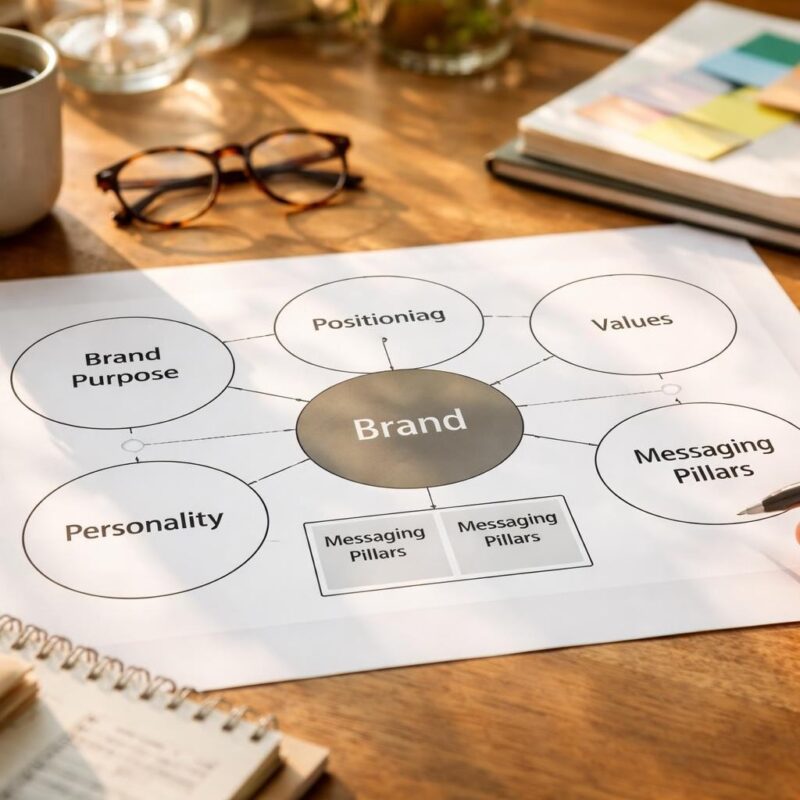
Graphic design and branding are often used interchangeably, but they represent distinct yet interconnected disciplines. Branding encompasses the entire strategic framework of your business identity: your values, mission, voice, personality, and positioning in the market. Graphic design translates that strategy into tangible visual elements that people can see, recognize, and remember.
Think of branding as the architect who designs the blueprint, while graphic design serves as the builder who brings that vision to life. Without a solid brand strategy, even the most beautiful design lacks direction and purpose. Conversely, a brilliant brand strategy without compelling visual execution fails to capture attention in today's visually saturated marketplace.
Components That Shape Recognition
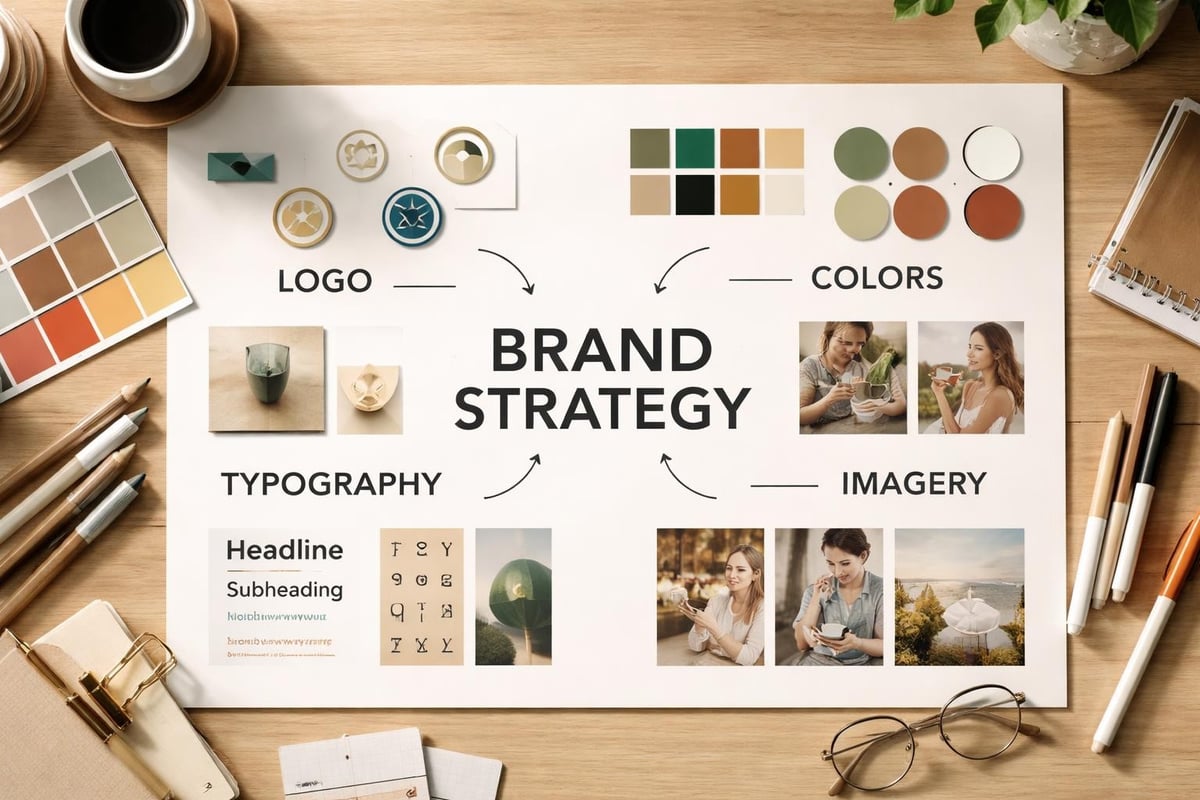
Core visual elements work together to create cohesive brand systems:
- Logo and wordmark variations
- Color palette with primary and secondary options
- Typography hierarchy for headers, body text, and accents
- Imagery style including photography and illustration guidelines
- Graphic patterns and supporting visual elements
- Layout and composition rules
The most successful brands maintain consistency across every touchpoint. This consistency builds trust and recognition over time, making it easier for customers to identify your business instantly, whether they encounter you on Instagram, receive your email newsletter, or walk past your storefront.
Psychology Meets Design in Brand Development
The intersection of psychology and visual communication creates powerful emotional connections. Colors evoke specific feelings and associations. Typography conveys personality traits. Imagery triggers memories and aspirations. When you understand the secret behind your brand colors, you can make strategic choices that resonate with your target audience on a subconscious level.
Research in graphic design and branding demonstrates that visual elements communicate faster than words. The human brain processes images 60,000 times faster than text, which means your design choices create impressions before someone reads a single word of your copy. This makes graphic design and branding essential tools for businesses that want to communicate effectively and efficiently.
| Psychological Principle | Design Application | Business Impact |
|---|---|---|
| Color Psychology | Strategic palette selection | Emotional brand connection |
| Gestalt Principles | Layout and composition | Visual clarity and hierarchy |
| Cognitive Load | Simplified design systems | Better user experience |
| Pattern Recognition | Consistent visual elements | Faster brand identification |
The Emotional Architecture of Visual Systems
Creating emotional resonance requires understanding your audience at a deeper level. Your target customer determines which design approaches will work best. A luxury skincare brand targeting wellness-focused women in their 40s will use different visual language than a tech startup serving Gen Z entrepreneurs.
This is where frameworks like The M Method prove valuable. By combining strategic thinking with psychological insights, you can develop graphic design and branding systems that don't just look appealing but actually drive business results through intentional emotional engagement.
Building Brand Recognition Through Consistent Application
Consistency transforms good design into powerful branding. When customers encounter your visual identity repeatedly across different platforms and materials, those repetitions strengthen neural pathways associated with your brand. This neurological process makes your business easier to remember and more likely to be chosen when purchase decisions arise.
Key touchpoints requiring consistent design application:
- Digital presence (website, social media, email)
- Marketing materials (brochures, presentations, advertisements)
- Product packaging and labels
- Physical spaces (signage, interiors, retail displays)
- Employee materials (business cards, uniforms, badges)
Many businesses make critical brand mistakes to avoid by applying their visual identity inconsistently. One common error involves using different logo versions haphazardly, while another includes straying from established color palettes because "this shade of blue looked nice." These seemingly small deviations dilute brand recognition and confuse your audience.
Creating Guidelines That Scale
Documentation ensures your graphic design and branding remain consistent as your business grows. Brand guidelines serve as the instruction manual for anyone creating materials on behalf of your company. According to research on graphic design and branding development, comprehensive guidelines include specifications for logo usage, color values, typography, imagery, and voice.
Your guidelines should answer practical questions: What's the minimum size for logo reproduction? Which fonts should designers use for headlines versus body copy? What photography style aligns with your brand personality? The more specific your documentation, the easier it becomes to maintain consistency across all applications.
The Evolution of Design Systems in Digital Contexts
Digital platforms have fundamentally changed how graphic design and branding function. Responsive design requirements mean your visual identity must work across screens of all sizes, from smartwatches to desktop monitors. Animation and micro-interactions add new dimensions to brand expression. Social media demands endless content variations while maintaining recognizable brand consistency.

Modern graphic design and branding must account for dynamic user experiences. Static logos give way to animated identity systems. Fixed color palettes expand to include light mode and dark mode variations. Typography choices must prioritize screen readability while maintaining brand personality.
| Platform Type | Design Considerations | Optimization Focus |
|---|---|---|
| Websites | Responsive layouts, loading speed | User navigation and conversion |
| Social Media | Platform-specific dimensions, thumb-stopping visuals | Engagement and shareability |
| Email Marketing | Template compatibility, image blocking | Click-through rates |
| Mobile Apps | Touch targets, limited screen space | Intuitive interactions |
Adapting Without Losing Identity
The challenge lies in adapting your visual identity to different contexts without losing your core essence. A fashion brand, for instance, might communicate uniqueness through visual cues beyond just logos, using distinctive photography styles, layout approaches, and color treatments that remain recognizable even when the logo isn't prominently displayed.
This flexibility within structure defines sophisticated graphic design and branding. Your system should be robust enough to feel cohesive yet flexible enough to work in unexpected contexts. When building a premium brand, this balance becomes especially critical as audiences expect polished, professional execution across every interaction.
Strategic Implementation for Business Growth
Effective graphic design and branding directly impact your bottom line. Research shows consistent brand presentation increases revenue by up to 23%. Visual content generates 94% more views than text-only content. First impressions are 94% design-related. These statistics underscore why treating design as a strategic business investment rather than an aesthetic afterthought matters for growth.
The connection between design quality and business performance extends beyond superficial appeal. Well-designed brands build stronger recognition through visual communication, making it easier for customers to find and choose your products or services in crowded marketplaces.
Business benefits of strategic visual identity:
- Increased brand recognition and recall
- Higher perceived value and pricing power
- Stronger customer loyalty and advocacy
- More effective marketing and advertising
- Improved employee pride and recruitment
Measuring Design Effectiveness
Evaluating graphic design and branding performance requires both quantitative and qualitative metrics. While methodologies for assessing design quality continue to evolve, businesses can track practical indicators like brand awareness surveys, social media engagement rates, website conversion metrics, and customer feedback about visual materials.
The most sophisticated organizations test design variations to understand what resonates with their audiences. A/B testing different email header designs, analyzing which social media graphics drive the most engagement, and conducting user testing on website layouts all provide valuable insights for refining your visual identity system.
Content Creation Within Brand Frameworks
Your graphic design and branding system should empower rather than restrict content creation. When you understand your social media secret sauce, you can develop templates and frameworks that make producing on-brand content faster and easier.
Content apps and design tools have democratized creation, but they've also increased the risk of brand dilution. Without clear guidelines and systems, even well-intentioned team members can create materials that undermine your visual identity. The solution involves building flexible templates that maintain brand consistency while allowing creative expression.
Templates That Enable Consistency
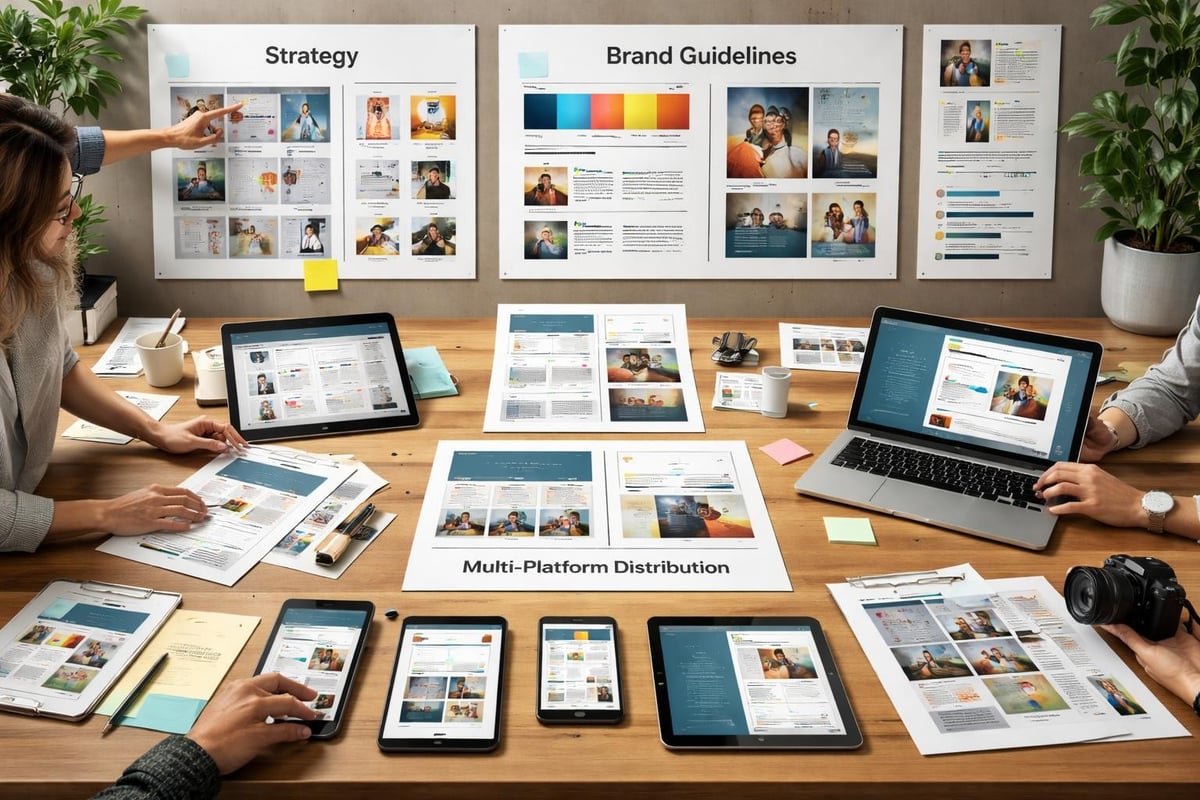
Smart businesses invest in template libraries that cover common needs: social media graphics, presentation decks, one-pagers, email headers, and promotional materials. These templates embed your graphic design and branding decisions, ensuring every piece of content aligns with your visual identity regardless of who creates it.
When staying motivated while working for yourself, having ready-to-use templates removes decision fatigue from the content creation process. Instead of starting from scratch each time, you focus on the message while the design framework handles the visual execution.
The Role of Research in Design Decisions
Professional graphic design and branding rely on research rather than subjective preferences. Understanding your audience's visual preferences, analyzing competitor approaches, studying industry trends, and testing design concepts all inform better strategic decisions. Comprehensive resources for designers emphasize the importance of continuous learning and evidence-based practice.
Curated design research guides provide frameworks for exploring color theory, typography principles, layout strategies, and visual hierarchy. This theoretical foundation supports practical application, helping you make informed choices about how your brand should look and feel.
The integration of artificial intelligence in design processes presents both opportunities and challenges. Frameworks for algorithmic practices in human-centered design explore how technology can augment creative work while maintaining authentic brand expression. AI tools can generate variations, automate repetitive tasks, and analyze performance data, but human judgment remains essential for strategic direction.
Industry Applications and Sector Considerations
Different industries require distinct approaches to graphic design and branding. Healthcare organizations prioritize trust and professionalism through clean, accessible design. Tech startups often embrace bold, innovative visual identities that signal disruption. Luxury brands rely on sophisticated minimalism that communicates exclusivity.
Understanding these sector conventions helps you make strategic choices about when to align with expectations and when to differentiate. Tacit knowledge in graphic design encompasses the unwritten rules and intuitive understanding that experienced designers develop through exposure to different contexts and audiences.
Sector-specific design considerations:
- Professional Services: Credibility through refined, traditional aesthetics
- E-commerce: Conversion-focused design with clear calls to action
- Hospitality: Experiential visuals that evoke desired emotions
- Education: Accessible, approachable design that reduces barriers
- Non-profit: Authentic storytelling through purposeful imagery
Cultural Sensitivity in Visual Communication
Global businesses must consider cultural differences in color associations, symbolism, and visual preferences. What communicates luxury in one culture might signal something entirely different in another. Red represents prosperity in Chinese culture but can indicate danger or warning in Western contexts. These nuances matter when developing graphic design and branding for diverse audiences.
Even within markets, demographic differences influence visual preferences. Age, gender, socioeconomic status, education level, and geographic location all shape how people interpret and respond to design choices. Research and testing help ensure your visual identity resonates with your specific target audience rather than relying on generic assumptions.
Long-Term Brand Evolution and Refreshes
Successful brands evolve without losing their core identity. Apple has refined its visual identity multiple times since 1976, but each iteration maintained recognizable connections to previous versions. The key involves strategic evolution that updates outdated elements while preserving brand equity built over time.
When creating offers for your target audience, your visual presentation must signal both relevance and reliability. A complete rebrand risks confusing loyal customers, while refusing to update can make your business appear stagnant or out of touch.
Signs your brand needs refreshing:
- Visual identity looks dated compared to competitors
- Design files are disorganized or inconsistent
- Expansion into new markets or offerings
- Merger or acquisition activities
- Significant shift in target audience
- Technology limitations in current assets
Managing Brand Transitions
Successful brand refreshes happen strategically rather than reactively. The process begins with auditing your current graphic design and branding assets, identifying what works and what needs improvement. Stakeholder input from employees, customers, and partners provides valuable perspective on brand perception versus intention.
The transition period requires careful communication. Announce changes, explain the reasoning, and help your audience understand what's staying the same. Gradual rollouts often work better than sudden complete changes, giving people time to adjust while maintaining continuity in customer experience.
Integration With Comprehensive Marketing Strategy
Graphic design and branding don't exist in isolation but integrate with your broader marketing ecosystem. Your visual identity should support and enhance your content strategy, social media approach, advertising campaigns, and customer experience design. When these elements align, they create compounding effects that accelerate business growth.
Increasing the time users spend on your site often requires visual design improvements alongside content and functionality enhancements. Layout choices, color contrast, typography readability, and strategic use of whitespace all contribute to user engagement and conversion rates.
The most effective marketing combines strategic messaging with compelling visual execution. Your graphic design and branding provide the container and context for your marketing messages, making them more memorable and persuasive. This integration explains why successful businesses treat design as a core business function rather than an optional extra.
Mastering graphic design and branding requires combining strategic thinking, psychological insight, and creative execution to build visual identities that drive real business results. Whether you're launching a new venture or refreshing an established brand, the principles of consistency, research-backed decisions, and audience-focused design create foundations for lasting success. At New Love Marketing & Design, we use The M Method to blend psychology, strategy, and design into brand systems that connect emotionally and perform with purpose. Ready to transform your visual identity into a strategic business asset?