The marketing landscape has evolved far beyond isolated campaigns and single-channel strategies. Today’s most successful brands understand that every touchpoint matters, every interaction contributes to the overall narrative, and every marketing element must work in harmony. Full stack digital marketing represents this holistic approach, where strategy, psychology, creativity, and technology converge to create meaningful brand experiences that resonate emotionally while delivering measurable results. As businesses navigate an increasingly complex digital ecosystem in 2026, the integration of comprehensive marketing services has become essential for sustainable growth.
Understanding the Full Stack Digital Marketing Framework
Full stack digital marketing encompasses the complete spectrum of digital marketing disciplines working together as a unified system. Unlike traditional approaches that compartmentalize services, this methodology ensures every component reinforces the others.
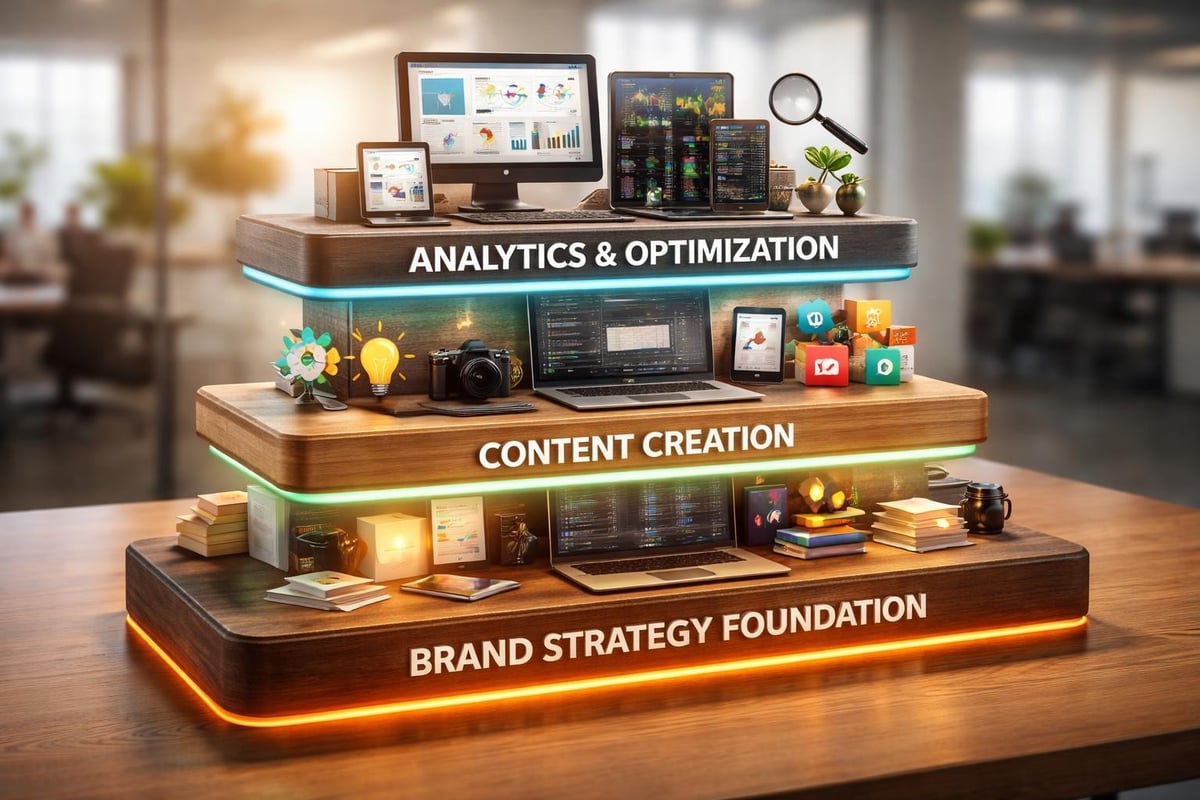
The framework includes several interconnected layers. At the foundation sits brand strategy and positioning, which defines who you are and how you communicate. The next layer comprises content creation and storytelling, where your brand voice comes to life across platforms. Technical implementation follows, including website development, SEO optimization, and marketing automation. Finally, data analytics and optimization crown the stack, measuring performance and informing continuous improvement.
The Strategic Foundation
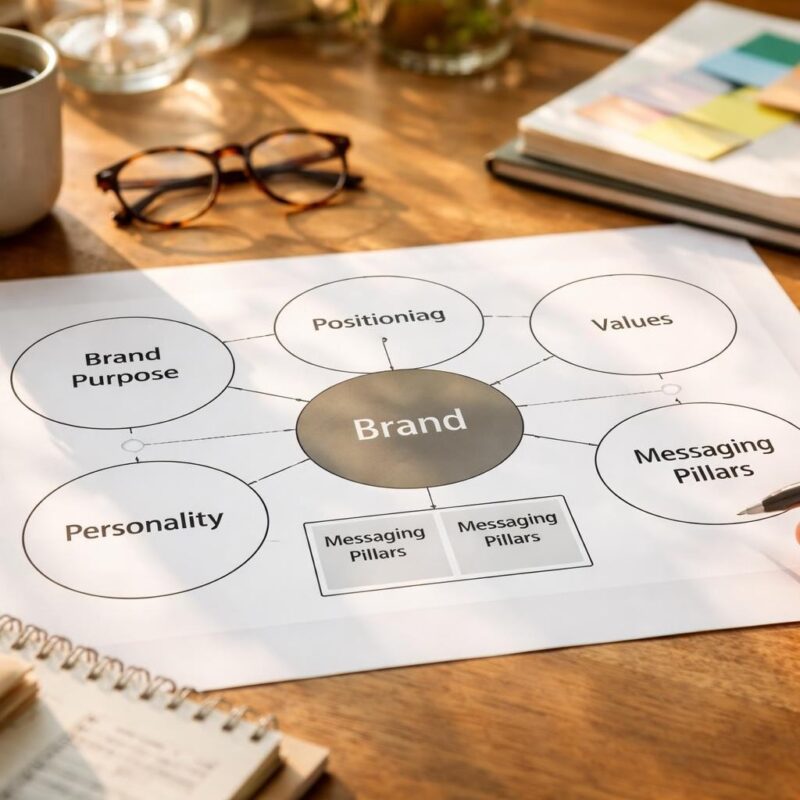
Brand strategy serves as the cornerstone of full stack digital marketing. Without a clear understanding of your target audience, unique value proposition, and emotional positioning, even the most sophisticated campaigns fall flat. This is where psychology meets strategy, creating frameworks that guide every marketing decision.
Key elements of strategic foundation include:
- Audience research and persona development
- Competitive analysis and market positioning
- Brand messaging architecture
- Customer journey mapping
- Conversion funnel optimization
When building your brand strategy, consider how each marketing channel will express your core values while adapting to platform-specific expectations. A cohesive strategy ensures your Instagram presence feels connected to your email campaigns, your website aligns with your advertising, and every touchpoint reinforces the same emotional connection.
Core Components of a Full Stack Approach
Social Media Marketing and Community Building
Social media has matured from a broadcasting platform into a sophisticated ecosystem for community building and brand storytelling. In 2026, successful social media marketing requires more than posting regularly. It demands understanding platform algorithms, creating native content for each channel, and fostering genuine engagement.
Full stack marketing agencies integrate social media into broader campaigns, ensuring your LinkedIn thought leadership aligns with your Instagram aesthetic and your TikTok creativity supports your overall business objectives. The psychology of social connection informs content strategies that spark conversations rather than monologues.
Platform-specific strategies vary significantly. LinkedIn demands professional insights and industry expertise. Instagram prioritizes visual storytelling and authentic moments. Facebook serves community building and detailed targeting. Each platform requires tailored approaches while maintaining consistent brand identity.
Search Engine Optimization and Content Strategy
SEO remains fundamental to full stack digital marketing, but its practice has evolved significantly. Modern SEO integrates technical excellence, content quality, user experience, and brand authority into a comprehensive discipline.
| SEO Component | Traditional Approach | Full Stack Approach |
|---|---|---|
| Keyword Research | Volume-based selection | Intent-aligned strategy |
| Content Creation | Keyword stuffing | User-focused value delivery |
| Link Building | Quantity emphasis | Quality relationship building |
| Technical SEO | Isolated optimization | Integrated UX design |
Content strategy extends beyond blog posts and landing pages. It encompasses video content, podcasts, interactive tools, downloadable resources, and social media narratives. Each piece serves multiple purposes: attracting search traffic, demonstrating expertise, nurturing relationships, and supporting conversion goals.
Design and Visual Communication
Graphic design and visual identity form critical components of full stack digital marketing. Design decisions influence perception, credibility, and emotional response. Colors trigger psychological associations, typography communicates personality, and layout guides user attention.
Understanding brand colors reveals how visual elements work psychologically to create desired responses. Professional design ensures consistency across all marketing materials, from social media graphics to website interfaces to email templates.
Essential design considerations include:
- Brand identity systems and style guides
- Website user interface and experience design
- Social media templates and visual consistency
- Marketing collateral and sales materials
- Video and motion graphics
Effective design doesn’t just look appealing; it serves strategic purposes. Every visual element should guide users toward desired actions while reinforcing brand recognition and building emotional connections.
Implementation Strategies for Integrated Marketing
The Technology Stack
Modern full stack digital marketing relies on sophisticated technology ecosystems. Marketing automation platforms connect data sources, trigger personalized communications, and track customer interactions across channels. These systems enable scalability without sacrificing personalization.
Your technology stack might include customer relationship management software, email marketing platforms, social media management tools, analytics dashboards, project management systems, and design applications. The key lies not in accumulating tools but in creating seamless integrations that provide unified customer views.
Consider how data flows between systems. When someone downloads a resource from your website, does that trigger appropriate email sequences? Does their social media engagement inform your advertising targeting? Can your team access unified customer histories regardless of which platform they use?
Data Analytics and Performance Measurement
Analytics transforms full stack digital marketing from intuition-based guesswork into data-informed strategy. Comprehensive digital marketing services leverage analytics to understand what works, identify opportunities, and optimize performance continuously.
Critical metrics vary by objective:
- Awareness stage: Impressions, reach, website traffic, social followers
- Consideration stage: Engagement rate, time on site, pages per session, content downloads
- Conversion stage: Lead generation, sales, customer acquisition cost, return on ad spend
- Retention stage: Customer lifetime value, repeat purchase rate, referral generation
Effective measurement requires establishing baseline metrics, setting realistic goals, implementing proper tracking, analyzing trends, and making data-informed adjustments. Avoid vanity metrics that feel good but don’t correlate with business outcomes.

Building Your Full Stack Marketing System
Starting with Strategic Clarity
Before implementing tactics, establish strategic clarity. Define your business objectives, identify your ideal customers, articulate your unique value, and map your customer journey. This foundation ensures every marketing activity supports overarching goals.
Strategic business planning informs which marketing channels deserve priority, which messages will resonate most powerfully, and how to allocate resources effectively. Without strategy, you risk executing disconnected tactics that generate activity without results.
Consider working with agencies that understand strategic frameworks. The M Method, for example, provides structured approaches to brand development, ensuring marketing efforts align with business identity and customer needs. Strategic frameworks prevent common pitfalls like chasing trends, copying competitors, or spreading resources too thin.
Channel Selection and Prioritization
Full stack digital marketing doesn’t mean doing everything simultaneously. It means understanding how channels work together while prioritizing based on your specific situation.
Channel selection factors:
- Where your target audience spends time
- Your resource availability and expertise
- Competitive landscape and opportunities
- Product or service complexity
- Sales cycle length and touchpoint requirements
A B2B professional services firm might prioritize LinkedIn, email marketing, and SEO-optimized thought leadership. An e-commerce fashion brand might focus on Instagram, influencer partnerships, and paid social advertising. Both represent full stack approaches tailored to specific contexts.
Content Creation and Distribution
Content fuels full stack digital marketing engines. High-quality content attracts organic traffic, demonstrates expertise, nurtures relationships, and supports sales conversations. Effective content marketing requires planning, consistency, and distribution strategies.
Develop content calendars that balance different formats, topics, and purposes. Educational content builds authority. Entertaining content increases engagement. Inspirational content strengthens emotional connections. Promotional content drives conversions. Each type serves distinct purposes within your full stack system.
Distribution matters as much as creation. Repurpose cornerstone content across multiple channels. Transform blog posts into social media series, videos into podcast episodes, webinars into downloadable guides. Maximize the return on content investment through strategic repurposing.
Advanced Full Stack Digital Marketing Techniques
Marketing Automation and Personalization
Automation enables personalization at scale, a critical advantage in 2026’s crowded digital landscape. Sophisticated automation workflows deliver the right message to the right person at the right time based on behavior, preferences, and journey stage.
| Automation Type | Purpose | Example Application |
|---|---|---|
| Welcome Series | Onboard new subscribers | Multi-email introduction sequence |
| Behavioral Triggers | Respond to specific actions | Cart abandonment recovery |
| Lead Nurturing | Move prospects through funnel | Educational content progression |
| Re-engagement | Revive inactive contacts | Win-back campaigns |
Effective automation feels personal rather than robotic. Use dynamic content, segmentation, and thoughtful timing to create experiences that feel crafted for individuals. Comprehensive marketing services often include automation setup and management, ensuring systems work optimally.
Conversion Rate Optimization
Attracting traffic means nothing without converting visitors into customers. Conversion rate optimization examines every step of the customer journey, identifying and removing friction points while strengthening compelling elements.
Common web design mistakes often hinder conversion. Slow loading times, confusing navigation, weak calls-to-action, and poor mobile experiences all suppress results. Optimization addresses these systematically through testing, analysis, and refinement.
CRO testing priorities:
- Headlines and value propositions
- Call-to-action button text, color, and placement
- Form length and field requirements
- Social proof and trust indicators
- Page layout and visual hierarchy
A/B testing provides empirical evidence about what works for your specific audience. What converts effectively for competitors might not work for you. Let data guide decisions rather than assumptions.
Reputation Management and Trust Building
Online reputation influences every marketing channel’s effectiveness. Potential customers research brands extensively before purchasing. Your full stack digital marketing must actively manage reputation across review platforms, social media, search results, and industry publications.
Reputation management services monitor brand mentions, respond to reviews, address concerns, and amplify positive customer experiences. This proactive approach prevents small issues from escalating while building social proof that supports all other marketing efforts.
Trust signals extend beyond reviews. Professional design, clear communication, transparent policies, accessible customer service, and thought leadership all contribute to perceived credibility. Every touchpoint either builds or erodes trust.

Organizational Alignment and Team Structure
Internal Teams versus Agency Partnership
Businesses face decisions about building internal marketing teams, partnering with agencies, or creating hybrid models. Each approach offers distinct advantages depending on your situation, resources, and growth stage.
Internal teams provide deep product knowledge, immediate availability, and cultural alignment. However, they require significant investment in hiring, training, tools, and ongoing management. Small to medium businesses often struggle to build complete full stack capabilities internally.
Full service digital marketing agencies offer immediate access to diverse expertise, established processes, and comprehensive toolsets. They bring fresh perspectives and proven frameworks while scaling services according to needs. The tradeoff involves less day-to-day control and dependency on external partners.
Cross-Functional Collaboration
Full stack digital marketing succeeds through collaboration. Marketing teams must work closely with sales, customer service, product development, and leadership. Siloed operations undermine the integrated approach that defines full stack methodology.
Collaboration best practices:
- Regular cross-functional meetings and updates
- Shared goals and performance metrics
- Unified customer data and insights
- Collaborative campaign planning
- Feedback loops between departments
When marketing understands sales objections, they create better nurturing content. When customer service shares common questions, marketing develops targeted resources. When product teams communicate roadmaps, marketing prepares appropriate positioning. Integration extends beyond marketing channels into organizational alignment.
Measuring Full Stack Digital Marketing Success
Key Performance Indicators
Effective measurement tracks metrics across the entire customer journey rather than isolated channel performance. While channel-specific metrics matter, ultimate success lies in business outcomes: revenue growth, customer acquisition, retention rates, and profitability.
Establish clear attribution models that credit appropriate touchpoints. First-touch attribution reveals what attracts prospects. Last-touch attribution shows what closes deals. Multi-touch attribution provides comprehensive views of customer journey complexity. Choose models that reflect your sales cycle reality.
Continuous Improvement Processes
Full stack digital marketing requires ongoing optimization. Market conditions change, audience preferences evolve, competitors adapt, and platforms update algorithms. Successful marketing strategies include built-in processes for continuous testing, learning, and refinement.
Implement regular review cycles: weekly tactical adjustments, monthly performance analysis, quarterly strategic reassessment, and annual comprehensive planning. This rhythm ensures responsiveness while maintaining strategic consistency.
Document what works and what doesn’t. Build institutional knowledge that informs future decisions. Share insights across teams. Create feedback mechanisms that capture customer responses, market trends, and competitive intelligence.
The Psychology Behind Full Stack Success
Emotional Connection and Brand Purpose
Full stack digital marketing achieves its greatest power when grounded in genuine brand purpose and emotional resonance. Technical excellence and strategic sophistication matter, but human connection drives lasting relationships and sustainable growth.
Consider why customers choose brands beyond rational features and pricing. Emotional factors influence most purchasing decisions. Brands that connect with customer aspirations, values, and identities create loyalty that transcends transactional relationships.
The secret ingredient to any brand often lies in authentic purpose and consistent emotional delivery. Full stack digital marketing amplifies this foundation across all channels, creating reinforcing experiences that deepen connections over time.
Behavioral Triggers and Decision Psychology
Understanding decision psychology enhances every component of full stack digital marketing. People rely on mental shortcuts, respond to social proof, fear missing opportunities, and prefer consistency. Marketing that aligns with these psychological principles performs more effectively.
Scarcity and urgency trigger action. Social proof builds credibility. Reciprocity creates goodwill. Authority establishes trust. These principles apply across channels, from email subject lines to landing page design to social media content. Ethical application respects audiences while improving results.

Full stack digital marketing represents the future of brand building and customer acquisition, integrating strategy, creativity, technology, and psychology into cohesive systems that deliver measurable results. Success requires both comprehensive expertise and strategic focus, balancing multiple channels while maintaining clear priorities. If you’re ready to build a marketing system that connects emotionally and performs with purpose, New Love Marketing & Design brings the strategic frameworks, creative capabilities, and psychological insights needed to transform your brand presence and drive sustainable growth through The M Method.