
Search engine marketing through pay-per-click advertising has become essential for businesses seeking immediate visibility and measurable results in the digital landscape. As brands compete for attention in an increasingly crowded online marketplace, understanding how to leverage sem ppc effectively can mean the difference between obscurity and market dominance. This strategic approach combines the precision of targeted advertising with the psychological understanding of consumer search behavior, creating campaigns that not only generate clicks but drive meaningful business outcomes.
Understanding the Fundamentals of SEM PPC
SEM PPC represents the intersection of search engine marketing and pay-per-click advertising, where businesses bid on keywords to display their advertisements in search engine results. Unlike organic search strategies that build visibility gradually, search engine marketing through PPC delivers immediate placement at the top of search results pages.
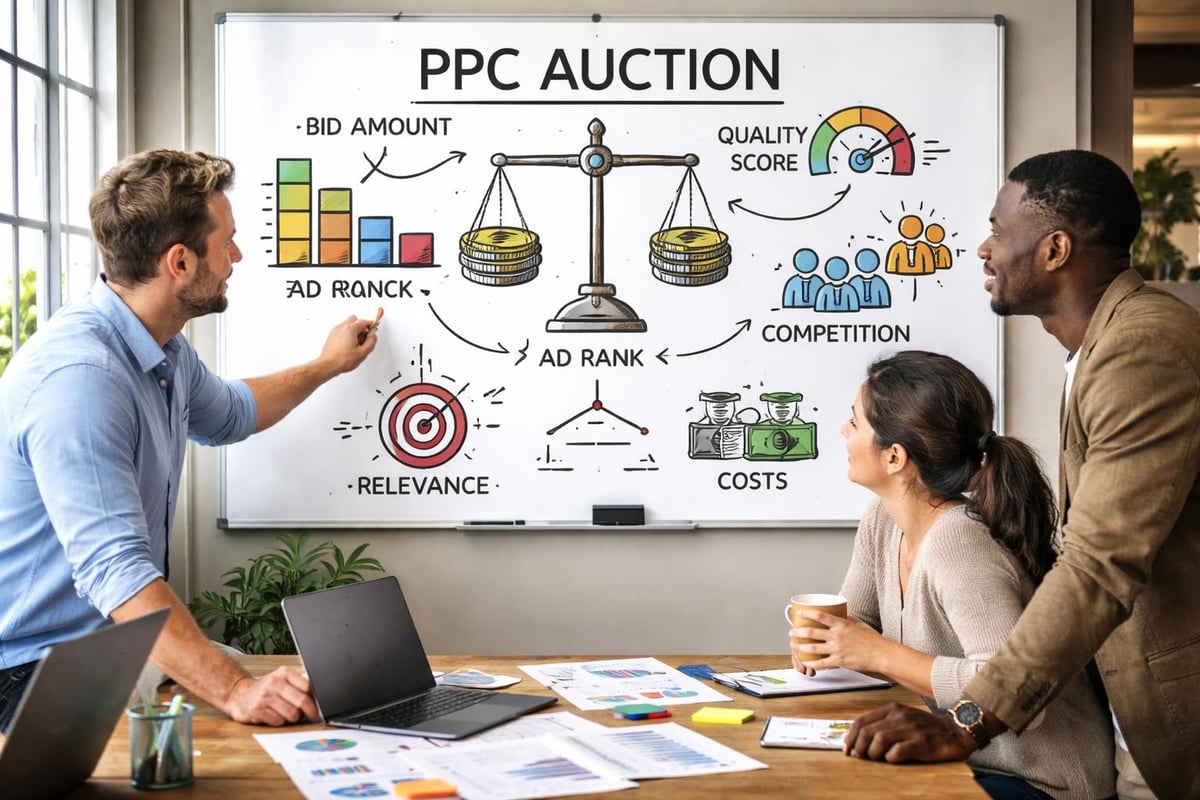
The mechanics behind sem ppc campaigns operate through a sophisticated auction system. When a user enters a search query, search engines instantly evaluate all advertisers bidding on relevant keywords, considering both bid amounts and quality scores to determine ad placement. This dual-factor system ensures that the highest-paying advertiser doesn't automatically win the top position.
The Auction Dynamics
Quality Score plays a critical role in determining ad success and cost efficiency. Search engines evaluate several factors when calculating this metric:
- Relevance of ad copy to the searched keyword
- Landing page experience and loading speed
- Historical click-through rate performance
- Ad extension relevance and implementation
- Overall account performance history
These elements combine to create a Quality Score that directly impacts both ad position and cost per click. Higher quality scores can reduce costs while improving placement, making optimization a strategic priority rather than simply increasing bid amounts.
Strategic Framework for Campaign Development
Building effective sem ppc campaigns requires a methodical approach that aligns with overall business objectives and brand strategy. The foundation begins with comprehensive keyword research that goes beyond simple search volume metrics to understand user intent and commercial value.
| Keyword Match Type | Search Flexibility | Traffic Volume | Precision Level | Best Use Case |
|---|---|---|---|---|
| Exact Match | Very Low | Low | Highest | High-intent conversions |
| Phrase Match | Medium | Moderate | High | Balanced reach and relevance |
| Broad Match | Very High | High | Lowest | Discovery and research |
| Broad Match Modifier | High | Moderate-High | Medium | Controlled expansion |
Match types determine how closely a search query must align with your targeted keywords. Strategic advertisers layer different match types to balance discovery with efficiency, using broad match for research and exact match for proven converters.
Crafting Campaign Architecture
Well-structured campaigns organize keywords into tightly themed ad groups, ensuring message alignment from search query through ad copy to landing page. This structural coherence improves quality scores while creating more relevant user experiences.
Campaign hierarchy typically follows this pattern:
- Campaign level: Budget allocation, geographic targeting, schedule settings
- Ad group level: Themed keyword clusters, specific ad variations
- Keyword level: Individual terms, match types, bid adjustments
- Ad level: Headlines, descriptions, extensions, visual elements
This organization allows for precise control over messaging and budget distribution. Rather than creating one massive campaign with hundreds of keywords, strategic sem ppc management separates themes into distinct campaigns that can be optimized independently.
Budget Optimization and Bidding Strategies
Financial efficiency separates successful sem ppc campaigns from those that drain resources without delivering proportional returns. Understanding PPC fundamentals helps marketers allocate budgets strategically across different campaign objectives and customer journey stages.
Automated bidding strategies have evolved significantly, offering sophisticated algorithms that adjust bids in real-time based on conversion probability. However, understanding when to use automation versus manual control remains critical.
Manual bidding provides benefits when:
- Testing new campaigns with limited historical data
- Working with highly seasonal or volatile markets
- Managing small budgets requiring precise control
- Optimizing for brand awareness over immediate conversions
Automated strategies excel when:
- Sufficient conversion data exists for algorithm learning
- Managing large-scale campaigns across multiple platforms
- Optimizing for specific conversion goals with clear values
- Responding to rapid market fluctuations requiring constant adjustment
The transition from manual to automated bidding should occur gradually, allowing systems to accumulate performance data while maintaining oversight of spending patterns and conversion quality.
Cost Metrics and Performance Analysis
Understanding the relationship between different cost metrics enables more strategic decision-making. Cost per click (CPC) represents only the surface level, while cost per acquisition (CPA) and return on ad spend (ROAS) reveal true campaign efficiency.
For businesses focused on increasing conversions, tracking these metrics throughout the customer journey provides insight into which touchpoints drive the most valuable actions. A keyword with a higher CPC but superior conversion rates often delivers better overall value than cheaper clicks that rarely convert.

Ad Copy and Creative Development
The psychological impact of ad copy determines whether searchers click your advertisement or scroll past to competitors. Effective sem ppc advertisements speak directly to user intent while differentiating your brand through unique value propositions.
Headlines carry the heaviest weight, appearing first and determining initial interest. Modern ad formats allow multiple headline variations that rotate and optimize based on performance, but each must communicate clear value within strict character limits.
Compelling Ad Components
Effective headlines incorporate:
- Specific numbers that quantify benefits or offers
- Emotional triggers aligned with user pain points
- Brand positioning that communicates unique advantages
- Action-oriented language that creates urgency
Description lines expand on headline promises, providing additional context and calls to action. Rather than generic statements, effective descriptions address specific user concerns or desires revealed through keyword intent analysis.
Ad extensions significantly improve visibility and click-through rates by expanding advertisement real estate and providing additional information pathways. Sitelink extensions direct users to specific landing pages, callout extensions highlight unique features, and structured snippets showcase service categories or product types.
For businesses designing their brand identity, maintaining consistent voice and visual elements across ad variations strengthens recognition and trust. This consistency extends from ad copy through landing page experiences, creating seamless transitions that reduce friction in the conversion process.
Landing Page Optimization for PPC Traffic
The effectiveness of sem ppc campaigns extends beyond search results into the landing page experience where conversions actually occur. Understanding why businesses need optimized websites becomes particularly critical when paid traffic arrives expecting specific solutions to their searched queries.
Alignment between ad messaging and landing page content directly impacts quality scores and conversion rates. Searchers who click advertisements expecting certain products, services, or information should encounter immediate confirmation they've reached the right destination.
High-converting landing pages feature:
- Headlines that mirror or closely relate to ad copy
- Clear visual hierarchy guiding attention to conversion elements
- Minimal navigation reducing exit opportunities
- Trust signals including testimonials, certifications, or guarantees
- Single focused calls to action aligned with campaign objectives
Page loading speed critically affects both quality scores and user experience. Searchers who wait more than three seconds for pages to load frequently abandon sites before viewing content, wasting ad spend and damaging campaign performance metrics.
Mobile optimization has shifted from optional enhancement to absolute requirement, as mobile searches now dominate most industries. Responsive design ensures consistent experiences across devices, while mobile-specific considerations like click-to-call functionality and simplified forms reduce friction in the conversion process.
Testing and Iteration
Continuous testing separates average landing page performance from exceptional results. A/B testing different headlines, layouts, imagery, and calls to action reveals which elements resonate most effectively with specific audience segments.
| Test Element | Impact Potential | Test Duration | Sample Size Needed |
|---|---|---|---|
| Headlines | High | 1-2 weeks | 200+ conversions |
| CTA Button Color | Low-Medium | 1 week | 100+ conversions |
| Form Length | High | 2-3 weeks | 300+ conversions |
| Hero Image | Medium | 1-2 weeks | 150+ conversions |
| Value Proposition | Very High | 2-4 weeks | 400+ conversions |
Statistical significance matters more than speed when evaluating test results. Declaring winners prematurely based on small sample sizes leads to false conclusions and suboptimal long-term performance.

Audience Targeting and Segmentation
Modern sem ppc platforms offer sophisticated audience targeting capabilities that extend beyond keyword-based approaches. Layering demographic, geographic, and behavioral targeting onto keyword campaigns increases relevance while potentially reducing costs through improved quality scores.
Remarketing lists for search ads (RLSA) represent particularly powerful targeting opportunities, allowing different bidding strategies and ad messaging for users who have previously interacted with your website. These warm audiences typically convert at higher rates than cold traffic, justifying increased bid adjustments.
Audience segmentation strategies include:
- Previous website visitors who didn't convert
- Past customers eligible for repeat purchases or upgrades
- Cart abandoners needing purchase completion incentives
- Specific page visitors indicating interest in particular products or services
- Similar audiences modeled on existing customer characteristics
For service-based businesses like creative studios focused on digital marketing, understanding your target customer becomes essential for effective audience development. Detailed buyer personas inform both keyword selection and audience targeting parameters, ensuring campaigns reach decision-makers rather than casual browsers.
Competitive Analysis and Market Positioning
Effective sem ppc strategy requires understanding competitive dynamics within your market space. Tools and resources for search engine marketing help identify which competitors bid on specific keywords and how their messaging positions their offerings.
Competitive intelligence informs several strategic decisions, from keyword selection to budget allocation. Highly competitive keywords with established players may require different approaches than emerging search terms with limited competition.
Three positioning approaches work for competitive markets:
- Direct confrontation bidding on competitor brand terms
- Differentiation highlighting unique value propositions
- Niche focus targeting underserved market segments
Brand bidding represents a particularly strategic decision requiring careful consideration. Bidding on your own brand name protects against competitor encroachment but adds costs for traffic that might arrive organically. The comprehensive approach to brand protection through PPC weighs these factors against the value of controlling brand search results completely.
Market Opportunity Identification
Competitive gaps reveal opportunities where searcher demand exceeds advertiser supply. These underserved keywords often deliver high-quality traffic at lower costs than saturated terms, making them valuable additions to campaign portfolios.
Seasonal fluctuations create temporary opportunities as search volumes spike during specific periods. Planning campaigns ahead of seasonal peaks ensures proper setup and optimization time before competition intensifies and costs increase.
Integration with Broader Marketing Strategy
SEM PPC functions most effectively as part of an integrated marketing approach rather than an isolated channel. The synergy between paid search and other digital marketing efforts multiplies overall impact while providing cross-channel insights.
Organic search and paid search complement each other strategically, with PPC providing immediate visibility while SEO builds long-term authority. Keywords that convert well in paid campaigns often become priorities for organic optimization efforts, while organic keyword research reveals new paid opportunities.
Social media marketing creates awareness that influences search behavior, with users often searching for brands they first discovered through social platforms. Consistent messaging across channels reinforces brand positioning while multiple touchpoints increase overall conversion probability.
Email marketing integrates with sem ppc through:
- List segmentation based on PPC campaign interactions
- Retargeting sequences for non-converting ad clickers
- Customer data informing audience targeting strategies
- Cross-channel attribution revealing multi-touch conversion paths
Content marketing supports paid search by creating the landing page experiences that convert PPC traffic effectively. High-quality content that addresses searcher intent naturally improves quality scores while providing value that builds trust and authority.
Measurement, Attribution, and Optimization
Sophisticated measurement frameworks separate campaigns that improve over time from those that plateau or decline. Understanding fundamentals of tracking and analytics enables data-driven optimization decisions rather than assumptions or guesswork.
Conversion tracking extends beyond final purchase or lead submission actions to include micro-conversions that indicate progression through the customer journey. Newsletter signups, content downloads, video views, and page depth metrics all provide valuable signals about campaign effectiveness.
Attribution modeling acknowledges that conversions rarely result from single touchpoints, especially for considered purchases with longer decision cycles. Different attribution models distribute conversion credit across multiple interactions, revealing which channels and campaigns contribute throughout the customer journey.
| Attribution Model | Credit Distribution | Best Use Case | Limitation |
|---|---|---|---|
| Last Click | 100% to final touchpoint | Simple tracking needs | Ignores journey complexity |
| First Click | 100% to initial touchpoint | Awareness campaign value | Overlooks conversion drivers |
| Linear | Equal across all touchpoints | Balanced view | Doesn't weight importance |
| Time Decay | More to recent touchpoints | Standard e-commerce | May undervalue awareness |
| Position-Based | 40% first/last, 20% middle | Complex journeys | Arbitrary distribution |
| Data-Driven | Algorithm-based on patterns | Sufficient data volume | Requires conversion volume |
Regular performance reviews identify trends, opportunities, and problems requiring attention. Weekly monitoring catches significant issues quickly, while monthly deep analyses reveal patterns and inform strategic adjustments.
Advanced Strategies and Emerging Approaches
As sem ppc platforms evolve, new capabilities create opportunities for sophisticated marketers to gain competitive advantages. Automation and machine learning increasingly handle tactical optimization, freeing strategic focus for higher-level decisions about positioning, messaging, and market opportunity identification.
Responsive search ads adapt messaging combinations based on individual searcher contexts, testing headline and description variations automatically to identify top performers. This dynamic approach requires providing multiple assets rather than fixed ad copy, with algorithms determining optimal combinations.
Smart campaigns leverage automation extensively, requiring minimal setup and management while machine learning handles most optimization decisions. These simplified approaches work well for small businesses with limited time or expertise, though they sacrifice control that experienced marketers prefer maintaining.
Video advertising within search results represents growing opportunities as platforms expand beyond text-based formats. Short video ads appear in search results and YouTube, capturing attention through motion and sound while communicating more complex messages than text allows.
Voice search optimization requires adapting strategies for conversational queries differing from typed searches. Questions and natural language phrases become more important than short keyword combinations, with featured snippet optimization increasing voice assistant selection probability.
Local service ads create specialized formats for businesses serving specific geographic areas, emphasizing location, availability, and direct contact options. These ads appear above standard search results for local-intent queries, capturing high-intent traffic seeking nearby solutions.
Privacy, Compliance, and Ethical Considerations
Evolving privacy regulations and platform policy changes require ongoing attention to maintain compliant sem ppc practices. Cookie restrictions, data usage limitations, and transparency requirements affect targeting capabilities while creating obligations for proper data handling.
GDPR, CCPA, and similar regulations mandate specific consent mechanisms and data protection practices for businesses serving users in covered jurisdictions. Non-compliance risks significant penalties while potentially damaging brand reputation and customer trust.
Ethical advertising practices extend beyond legal requirements to include truthfulness, respect for user experience, and responsible targeting. Misleading claims, excessive ad frequency, or manipulation tactics may generate short-term results while building long-term brand damage.
Responsible sem ppc practices include:
- Accurate representation of products, services, and offers
- Transparent pricing without hidden fees or deceptive discounts
- Respectful frequency capping preventing excessive exposure
- Appropriate audience targeting avoiding sensitive categories
- Clear data usage explanations and easy opt-out mechanisms
Building campaigns with psychological understanding means recognizing the emotional and cognitive factors influencing decision-making while respecting user autonomy and wellbeing. Effective persuasion differs fundamentally from manipulation, creating value for both businesses and customers.
Strategic sem ppc implementation combines technical platform knowledge with psychological insight into customer behavior, creating campaigns that connect authentically while driving measurable business results. Whether you're launching your first paid search campaign or optimizing existing efforts, the intersection of data-driven strategy and emotional resonance separates adequate performance from exceptional outcomes. New Love Marketing & Design helps businesses develop integrated digital marketing strategies that blend psychology, strategy, and design to create campaigns connecting emotionally while performing with purpose through The M Method framework for growth with clarity and intention.