The ecommerce landscape in 2026 demands more than just a great product and a functional website. With competition intensifying across every platform and advertising costs climbing, businesses need sophisticated paid advertising strategies to stand out and drive profitable sales. An ecommerce ppc agency brings specialized expertise to navigate complex advertising platforms, optimize campaigns for maximum return on investment, and turn clicks into customers. For brands looking to scale their online presence without wasting budget on ineffective campaigns, partnering with the right agency can mean the difference between stagnant growth and explosive revenue expansion.
Understanding the Value of Specialized Ecommerce PPC Expertise
Generic digital marketing agencies often lack the nuanced understanding required for successful ecommerce advertising. Product-based businesses face unique challenges that service providers simply don't encounter.
An ecommerce ppc agency focuses exclusively on driving product sales through platforms like Google Shopping, Facebook Ads, Amazon Advertising, and Pinterest. They understand inventory management, seasonal trends, product feed optimization, and the critical metrics that actually matter for online retailers.
Key differentiators include:
- Shopping feed optimization for maximum product visibility
- Dynamic remarketing strategies that follow shoppers across platforms
- Product-specific keyword research beyond basic search terms
- Understanding of ecommerce attribution models and customer journey mapping
- Expertise in managing campaigns across multiple product categories simultaneously
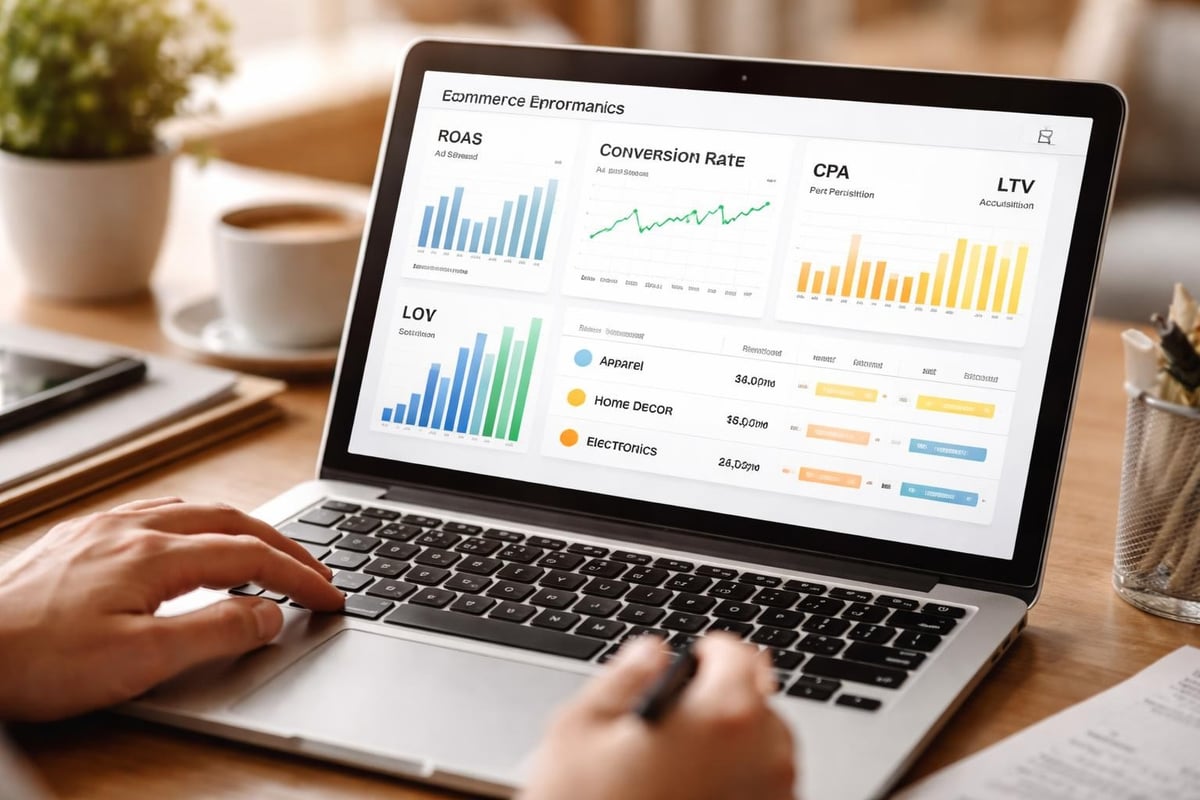
These specialists recognize that ecommerce success requires monitoring metrics like cost per acquisition (CPA), return on ad spend (ROAS), and customer lifetime value (CLV) rather than vanity metrics like impressions or clicks. According to proven eCommerce PPC management practices, tailored strategies and transparent reporting form the foundation of successful campaigns.
The Psychology Behind Effective Ecommerce Advertising
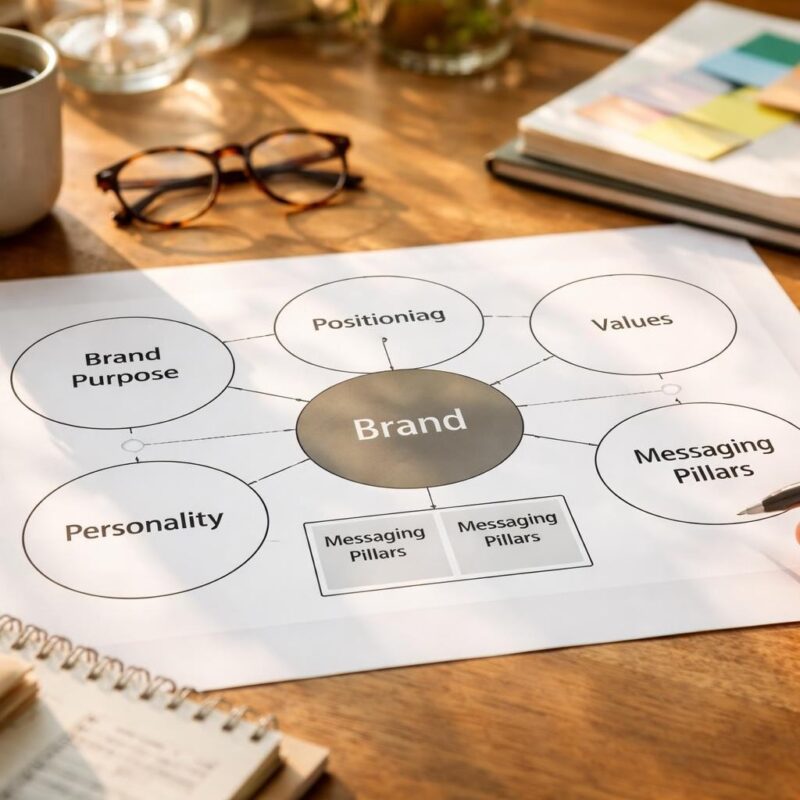
Just like brand strategy requires understanding human psychology, successful PPC campaigns tap into customer motivations and decision-making processes. An experienced agency doesn't just place ads; they craft narratives that connect emotionally with shoppers at different stages of their buying journey.
Top-performing agencies segment audiences based on purchase intent, browsing behavior, and previous interactions with your brand. They create ad variations that speak directly to new visitors differently than to cart abandoners or repeat customers. This psychological approach transforms generic advertising into personalized experiences that drive conversions.
Essential Services a Quality Ecommerce PPC Agency Provides
Comprehensive ecommerce PPC management extends far beyond setting up campaigns and letting them run. Professional agencies deliver a full suite of services designed to maximize every advertising dollar.
Advanced Keyword Research and Targeting
Keyword strategy for ecommerce differs dramatically from content-based businesses. Agencies must identify not only primary product keywords but also long-tail variations, competitor terms, and seasonal opportunities.
The research process involves:
- Product catalog analysis to identify all potential search terms
- Competitor keyword gap analysis to find untapped opportunities
- Search intent classification to match keywords with funnel stages
- Negative keyword development to eliminate wasted spend
- Ongoing refinement based on performance data and market trends
This foundation ensures ads reach shoppers actively searching for products you sell, not just browsing casually.
Platform-Specific Campaign Management
Different advertising platforms require distinct approaches and expertise. A comprehensive ecommerce ppc agency manages campaigns across multiple channels while maintaining cohesive messaging and strategic alignment.
| Platform | Primary Benefit | Best Product Types |
|---|---|---|
| Google Shopping | High purchase intent traffic | Physical products with clear images |
| Facebook/Instagram Ads | Visual storytelling and precise targeting | Lifestyle products and impulse purchases |
| Amazon Advertising | Reaching shoppers ready to buy | Products available on Amazon marketplace |
| Pinterest Ads | Discovery and inspiration | Home decor, fashion, DIY products |
| TikTok Ads | Viral potential and younger audiences | Trending and innovative products |
Managing these platforms simultaneously requires deep platform knowledge and the ability to adapt strategies based on each channel's unique strengths.
Creative Development and Testing
Ad creative makes or breaks campaign performance. Professional agencies continuously develop, test, and refine ad variations to improve results. They understand that ecommerce advertising demands high-quality product photography, compelling copy that addresses customer pain points, and clear calls-to-action that drive clicks.
Effective eCommerce PPC strategies emphasize A/B testing different ad elements, from headlines and descriptions to images and landing pages. This iterative approach identifies what resonates with your specific audience.
Critical Warning Signs When Selecting an Agency
Not all agencies deliver equal results, and choosing poorly can drain budgets while producing minimal returns. Understanding common pitfalls helps businesses make informed decisions.
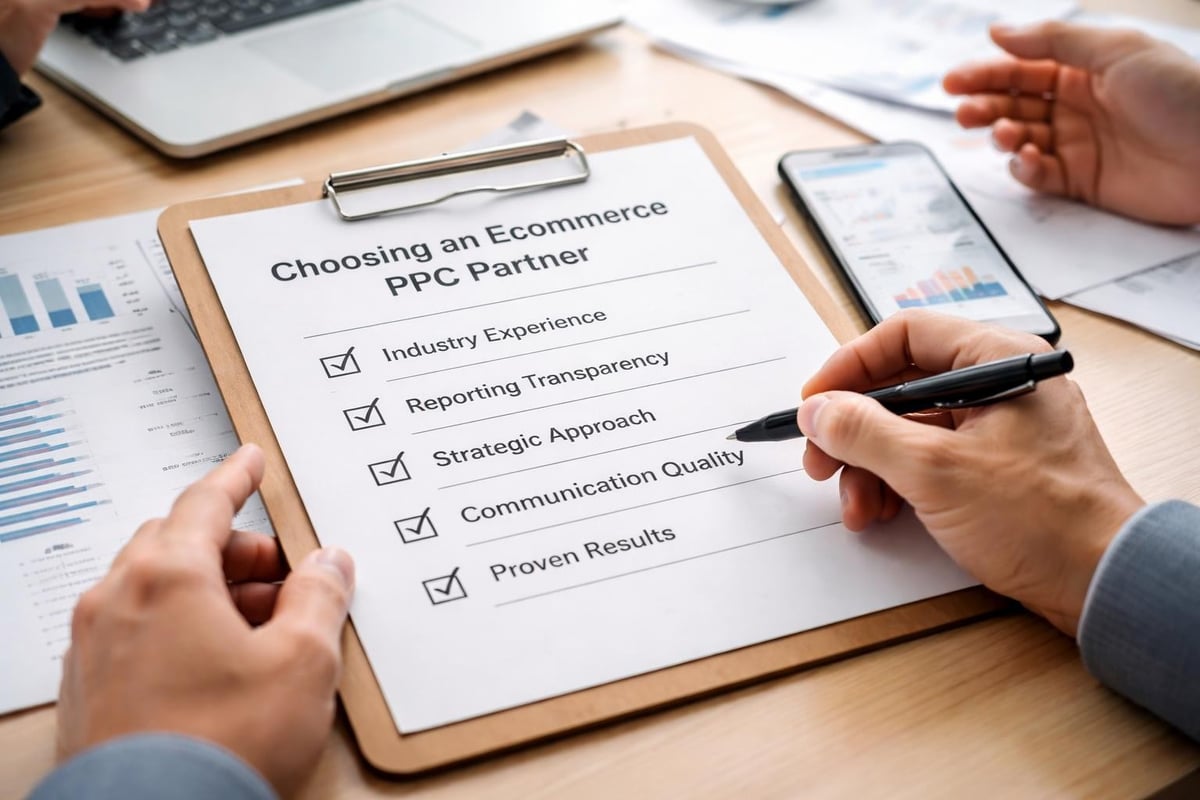
One major red flag is agencies that promise guaranteed results or specific ROAS percentages without understanding your business model, margins, or market. Ethical agencies provide realistic projections based on industry benchmarks and your specific situation. According to common mistakes when hiring an eCommerce PPC agency, prioritizing value over cost prevents costly errors.
Warning signs to watch for:
- Lack of ecommerce-specific case studies or experience
- Unwillingness to provide transparent reporting or dashboard access
- Cookie-cutter strategies applied to all clients regardless of industry
- Long-term contracts with no flexibility or performance guarantees
- Poor communication or unresponsive account management
- No clear process for optimization and strategic adjustments
Additionally, agencies that don't ask detailed questions about your products, target customers, margins, and business goals likely won't deliver customized strategies that drive meaningful results.
Strategic Approaches That Drive Ecommerce Success
The most effective ecommerce ppc agency partners implement sophisticated strategies that go beyond basic campaign setup. These approaches maximize every aspect of the advertising ecosystem.
Shopping Feed Optimization
Your product feed serves as the foundation for Google Shopping and other product listing ads. Agencies optimize titles, descriptions, categories, and custom labels to improve visibility and relevance. They ensure feeds include all required attributes, utilize high-quality images, and implement structured data correctly.
Feed optimization also involves creating custom labels for strategic segmentation. This allows prioritization of high-margin products, seasonal items, or bestsellers with adjusted bidding strategies.
Dynamic Remarketing Campaigns
Visitors who don't convert on their first visit rarely return without prompting. Dynamic remarketing shows previous browsers ads featuring the exact products they viewed, creating personalized reminders that drive returns and conversions.
Sophisticated agencies segment remarketing audiences based on behavior:
- Product viewers who didn't add to cart
- Cart abandoners at different price points
- Previous customers for cross-sell opportunities
- Window shoppers who visited multiple product pages
Each segment receives tailored messaging and offers designed to address their specific hesitation or objection.
Seasonal Campaign Planning
Ecommerce sales fluctuate dramatically based on seasons, holidays, and industry-specific trends. Professional agencies plan campaigns months in advance, ramping up budgets and adjusting strategies for peak periods while maintaining presence during slower seasons.
This planning includes developing holiday-specific creative, adjusting product promotion strategies, and allocating budget based on historical performance data and market trends. Marketing strategy expertise ensures businesses capture maximum opportunity during critical selling periods.
Measuring Success Beyond Surface-Level Metrics
Understanding what success looks like separates effective partnerships from disappointing experiences. An ecommerce ppc agency should focus on metrics that directly impact business profitability.
The Metrics That Actually Matter
| Metric | Why It Matters | Target Benchmark |
|---|---|---|
| ROAS | Revenue generated per dollar spent | 3:1 minimum for profitability |
| Conversion Rate | Percentage of clicks becoming purchases | 2-5% depending on industry |
| Customer Acquisition Cost | Total cost to acquire one new customer | Lower than customer lifetime value |
| Average Order Value | Revenue per transaction from paid traffic | Track trends and optimize upward |
| Return Customer Rate | Percentage returning for additional purchases | 20-30% indicates quality traffic |
Beyond these core metrics, sophisticated tracking includes attribution modeling that recognizes assisted conversions, not just last-click attribution. This provides a complete picture of how paid advertising contributes to overall revenue.
Transparent Reporting and Communication
Quality agencies provide regular, detailed reports that explain performance in context. They don't just present numbers but interpret what data means and recommend strategic adjustments based on insights.
Expect at minimum monthly reporting calls where account managers walk through performance, discuss market changes, and outline upcoming strategies. Top-tier agencies provide real-time dashboard access so you can monitor campaigns whenever desired.
Advanced Tactics for Competitive Advantage
As ecommerce advertising matures, basic strategies no longer suffice. Leading agencies implement advanced tactics that create sustainable competitive advantages.
Audience Segmentation and Personalization
Generic ads targeting broad audiences waste budget. Advanced segmentation creates micro-audiences based on demographics, interests, behaviors, and purchase history. Each segment receives personalized ad creative and offers that speak directly to their needs.
This approach mirrors effective brand strategy development where understanding your target customer enables creating experiences that resonate emotionally and drive action.
Automation and Smart Bidding
Machine learning algorithms now power much of campaign optimization. Professional agencies leverage automated bidding strategies while maintaining strategic oversight. They know when to trust automation and when manual adjustments produce better results.
Smart Shopping campaigns, Performance Max, and automated rules handle routine optimizations, freeing strategic time for high-level planning and creative development.

Cross-Channel Attribution and Budget Allocation
Shoppers rarely convert through a single touchpoint. They might discover products on Instagram, research on Google, compare options, and finally purchase days later through a remarketing ad. Understanding this journey enables smarter budget allocation across channels.
Advanced attribution modeling reveals which channels drive initial awareness, which assist conversions, and which close sales. This insight allows agencies to optimize the entire funnel rather than individual campaigns in isolation.
The Investment Required and Expected Returns
Ecommerce businesses often wonder what partnering with an agency costs and whether the investment delivers worthwhile returns. Pricing models vary, but understanding typical structures helps with planning.
Common pricing approaches:
- Percentage of ad spend (typically 10-20%)
- Flat monthly retainer ($2,000-$10,000+ depending on complexity)
- Hybrid model combining base retainer plus performance incentives
- Setup fees for initial campaign development and feed optimization
While costs may seem substantial, effective agencies deliver returns that far exceed their fees. Documented case studies demonstrate how strategic PPC management generates significant revenue increases and improved profitability.
The key question isn't whether you can afford an agency but whether you can afford not having expert management of what may be your largest marketing investment. Poor campaign management wastes far more than agency fees through inefficient spending and missed opportunities.
Building a Successful Agency Partnership
Selecting the right ecommerce ppc agency represents just the beginning. Maximizing results requires active collaboration and strategic alignment.
Setting Clear Expectations and Goals
Before launching campaigns, establish concrete, measurable objectives. Whether targeting specific ROAS thresholds, customer acquisition costs, or revenue goals, clarity prevents misalignment and disappointment.
Document these goals along with timelines for achieving them. Understand that significant results typically require 3-6 months as agencies learn your products, audience, and what messaging resonates.
Providing Complete Access and Information
Agencies need comprehensive access to succeed. This includes:
- Advertising platform accounts with admin permissions
- Analytics and tracking implementations
- Product catalogs and inventory management systems
- Information about margins, bestsellers, and strategic priorities
- Customer insights and competitive intelligence
Withholding information or access creates unnecessary obstacles that limit campaign effectiveness. Just as understanding your target customer proves essential for brand building, providing agencies complete business context enables them to craft optimal strategies.
Maintaining Open Communication
Schedule regular check-ins beyond formal reporting calls. Share updates about new products, promotions, inventory changes, or market conditions that might impact campaigns. Responsive communication enables agencies to adapt quickly to changing circumstances.
Similarly, expect agencies to proactively communicate about performance trends, recommended strategy shifts, and opportunities they identify. This collaborative approach produces far better results than hands-off relationships.
Industry-Specific Considerations
Different ecommerce verticals require specialized approaches. An agency with broad experience across industries brings valuable perspective while one with deep expertise in your specific niche offers targeted insights.
Fashion and Apparel
Seasonal trends, style preferences, and visual presentation dominate fashion ecommerce. Agencies must understand trend cycles, manage large product catalogs with numerous variations, and create visually compelling ads that showcase style and fit.
Home and Garden
Longer consideration periods and higher price points characterize this vertical. Campaigns must nurture prospects through extended decision processes while highlighting quality, durability, and design aesthetics that justify investment.
Electronics and Technology
Technical specifications, comparison shopping, and price sensitivity define electronics marketing. Agencies need expertise highlighting product features, competing on pricing strategically, and capturing shoppers researching specific models.
Health and Beauty
This category combines impulse purchases with considered decisions around ingredients and effectiveness. Regulatory restrictions on claims require careful ad copywriting while social proof and before/after results drive conversions.
Future Trends Shaping Ecommerce PPC
The advertising landscape constantly evolves. Forward-thinking agencies stay ahead of emerging trends that will define success in coming years.
Privacy changes continue reshaping targeting and tracking. The deprecation of third-party cookies, iOS tracking limitations, and increasing privacy regulations require new approaches to audience building and attribution. Server-side tracking, first-party data strategies, and contextual targeting gain importance.
Video advertising expands beyond YouTube to all major platforms. Short-form video content on TikTok, Instagram Reels, and YouTube Shorts creates new opportunities for product showcasing and brand storytelling that drives conversions.
Voice search and visual search technologies change how shoppers discover products. Optimizing for these emerging search methods positions brands to capture early-adopter audiences before competition intensifies.
Artificial intelligence capabilities in campaign management, creative development, and audience prediction continue advancing. Agencies leveraging these tools while maintaining strategic human oversight deliver superior results compared to those slow to adopt new technologies.
Partnering with the right ecommerce ppc agency transforms paid advertising from a cost center into a profit-driving growth engine. The specialized expertise, strategic thinking, and ongoing optimization these partnerships provide enable online retailers to compete effectively while maximizing return on every advertising dollar. If your brand needs strategic guidance that blends psychology, data-driven decision making, and creative execution to build campaigns that connect emotionally and perform with purpose, New Love Marketing & Design brings the expertise to help your business grow with clarity and intention.