
Why Professional Photography Isn’t Optional—It’s the Entire First Showing
Let’s start with the uncomfortable truth most agents and homeowners don’t want to say out loud:
Your listing doesn’t compete with other homes.
It competes with attention.
And attention, in 2026, is brutally visual.
Before a buyer ever steps foot into a home, before they book a showing, before they even read your description—they’ve already made a decision. Not logically. Not financially. Emotionally.
And that decision is made in about 1.7 seconds while scrolling.
That’s where professional photography stops being a “nice to have” and becomes the single most important marketing asset in your entire listing strategy.
At New Love Design, we don’t treat photography as a line item. We treat it as the front door to perception—because that’s exactly what it is.
Your Listing Photos Are the First Showing
There is no such thing anymore as “we’ll let the house speak for itself.”
The house doesn’t speak first.
The photos do.
Buyers are scrolling Zillow, MLS, Redfin, Instagram, and even TikTok like it’s second nature. They are filtering, judging, and eliminating homes before they ever step into a car.
Which means:
- If your photos are dark → the home feels small
- If your photos are distorted → the home feels cheap
- If your photos are cluttered → the home feels chaotic
- If your photos are poorly framed → the home feels confusing
And here’s the part most people miss:
Even a beautiful home can look like a bad investment with bad photography.
Professional photography doesn’t just “capture” a home—it translates its value.
The Psychology Behind Why It Works
At New Love Design, everything we do is rooted in one thing: human behavior.
And when it comes to real estate, buyers don’t buy homes based on square footage and specs.
They buy based on:
- Feeling
- Identity
- Imagination
Professional photography is designed to trigger all three.
1. It Creates Emotional Anchoring
Wide, well-lit, intentionally composed images allow buyers to feel what it would be like to live there.
A sunlit kitchen isn’t just a kitchen.
It becomes:
- Morning coffee
- Weekend hosting
- A slower, better life
That emotional anchor is what drives clicks → showings → offers.
2. It Guides the Eye (and the Narrative)
A professional photographer doesn’t just take photos—they tell a story.
They control:
- Angles
- Depth
- Lighting
- Composition
So the buyer subconsciously moves through the home in a way that feels natural, expansive, and desirable.
Amateur photos? They do the opposite. They confuse the eye, flatten the space, and break the flow.
3. It Signals Value Instantly
Buyers are incredibly perceptive—even if they don’t realize it.
When they see:
- Crisp, editorial-style images
- Balanced lighting
- Clean lines and intentional framing
They don’t just think: “nice photos.”
They think:
“This home is worth more.”
Data Doesn’t Lie (Even If People Do)
Let’s strip emotion out of it for a second and talk numbers:
Homes with professional photography consistently:
- Sell faster
- Receive more online views
- Generate more showings
- Command higher offers
Why?
Because better photos = more clicks
More clicks = more demand
More demand = stronger offers
It’s not complicated. It’s leverage.
And in a competitive market—especially in high-end or lifestyle-driven areas—perception is pricing power.
The Cost Objection (Let’s Address It)
This is where things get interesting.
Because the same sellers who hesitate over a few hundred dollars for photography will happily:
- Reduce their price by $10K+ later
- Sit on the market longer
- Accept weaker offers
Skipping professional photography to “save money” is like:
Not staging a storefront, then wondering why no one walks in.
It’s not saving money.
It’s costing opportunity.
And the reality?
Professional photography is one of the highest ROI decisions you can make in the entire listing process.
It’s Not the iPhone—It’s Who’s Holding It
Let’s clear something up, because this conversation has gotten a little lazy:
iPhones are not the problem.
The problem is inexperience.
A professional photographer could walk into a home with an iPhone and still produce better results than someone with a $5,000 camera who doesn’t understand:
- composition
- lighting
- angles
- how to make a space feel bigger, brighter, and more valuable
Because photography isn’t about the device.
It’s about the eye behind it.
Most homeowners—and even some agents—aren’t trained to:
- balance interior and exterior light
- shoot at the correct height to avoid distortion
- frame a room so it flows naturally
- highlight selling features while minimizing distractions
So what happens?
You get photos that:
- make rooms feel smaller than they are
- blow out windows or darken interiors
- create awkward angles that confuse the layout
- completely miss the feeling of the home
And again—this is where value is either built or lost.
Because buyers don’t say, “oh, these were taken on a phone.”
They say, “something feels off about this house.”
That’s the difference.
Professional photographers don’t just take pictures.
They translate space into desire.
They know:
- where to stand
- what time of day to shoot
- how to control light
- how to guide the viewer’s eye
So whether it’s a DSLR or an iPhone doesn’t matter.
What matters is this:
If you don’t know how to shoot a home properly, you shouldn’t be the one shooting it.
Leave the photography to the professionals—because this is the first showing, and you don’t get to redo it.
Professional Photography Is Part of a Larger System
Here’s where most agents get it wrong:
They treat photography as a one-off task.
At New Love Design, we integrate it into a full marketing ecosystem.
Because your listing photos don’t just live on MLS.
They become:
- Instagram carousel posts
- Reels and video transitions
- Email marketing campaigns
- Website features
- Paid ads
- Listing presentations
Which means the quality of your photography doesn’t just affect one platform.
It affects everything downstream.
Bad photos don’t just hurt your listing.
They weaken your entire brand.
Luxury Isn’t a Price Point—It’s a Presentation
This is especially important in higher-end markets.
Luxury buyers expect:
- Editorial-level visuals
- Clean, intentional storytelling
- A sense of exclusivity
If your photography doesn’t match that expectation, the home immediately feels misaligned—regardless of its actual value.
And here’s the nuance most people miss:
Luxury is perceived before it is proven.
Professional photography is what creates that perception.
The “Scroll Stop” Effect
If you take nothing else from this article, take this:
Your listing has one job:
Make someone stop scrolling.
That’s it.
Because if they don’t stop:
- They don’t click
- They don’t save
- They don’t schedule
- They don’t buy
Professional photography is engineered for that exact moment.
It creates:
- Contrast
- Clarity
- Curiosity
And in a sea of average listings, that’s what wins.
What Professional Photography Actually Includes
This isn’t just someone showing up with a camera.
A true professional shoot involves:
- Strategic shot planning (what matters, what sells)
- Lighting control (natural + artificial balance)
- Composition and framing
- Lens selection for space accuracy
- Post-production editing (color correction, exposure blending, sky replacement if needed)
- Consistency across all images
It’s not documentation.
It’s production.
Real Estate Is Marketing First, Property Second
This is the shift happening right now—and the agents who understand it are winning.
You are no longer just listing homes.
You are:
- Producing content
- Building perception
- Creating demand
And your photography is the foundation of all of it.
Because no matter how good your:
- Copy
- Strategy
- Pricing
- Negotiation
If the visuals don’t match?
You’ve already lost attention.
The New Standard (And Why It Matters)
We’re entering a market where:
- AI-enhanced search prioritizes high-quality visuals
- Social platforms reward scroll-stopping content
- Buyers expect a digital experience before a physical one
Which means:
Professional photography isn’t a differentiator anymore.
It’s the baseline.
And the agents who treat it like an afterthought?
They’re going to feel it—in:
- Days on market
- Offer strength
- Client perception
How New Love Design Approaches It Differently
We don’t just say “hire a photographer.”
We:
- Curate the right photographer for the property type
- Direct the visual narrative based on target buyer psychology
- Align photography with the full marketing rollout
- Ensure every asset works across platforms
Because this isn’t about taking pretty pictures.
It’s about creating demand before the first showing ever happens.
You Don’t Get a Second First Impression
A buyer will forgive:
- Outdated fixtures
- A small bedroom
- A less-than-perfect layout
What they won’t forgive?
A listing that didn’t make them feel anything.
And that’s exactly what bad photography does.
So if you’re thinking about where to invest when listing your home, start here:
Not with price reductions.
Not with last-minute fixes.
With the one thing that determines whether anyone even cares in the first place.
Professional photography isn’t an expense.
It’s the strategy.
If you’re an agent or homeowner ready to market your property like it actually deserves attention, New Love Design builds the system behind it—from visuals to visibility to velocity.
Because in this market?
The best home doesn’t win.
The best-presented one does.
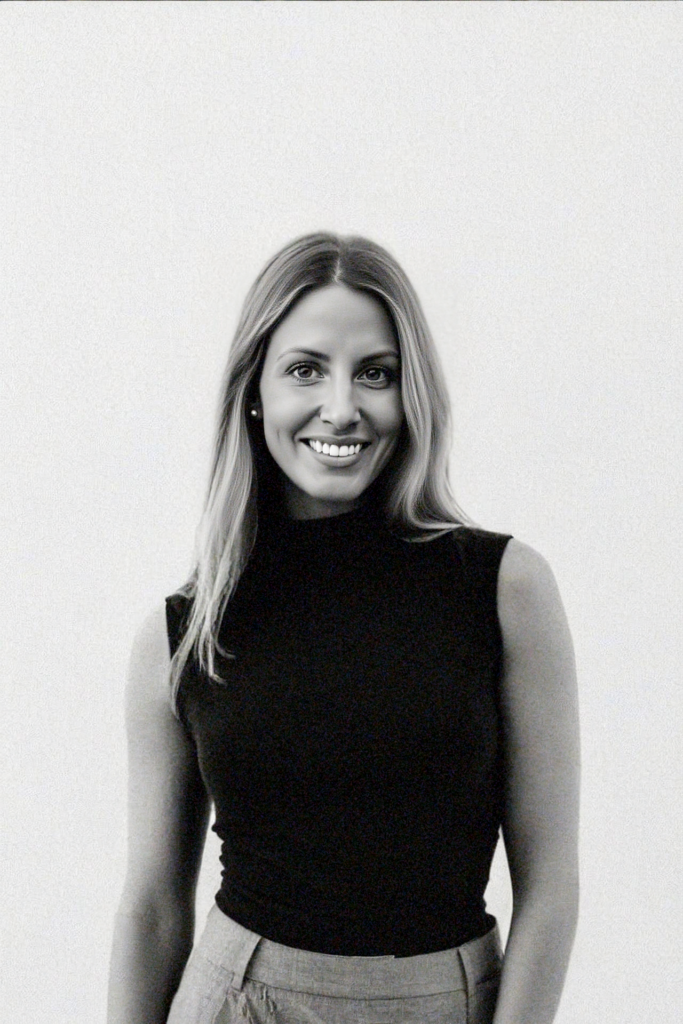
Vanessa Valarese is a marketing strategist and founder of New Love Marketing & Design, a boutique marketing studio based in North Hampton, New Hampshire that specializes in helping realtors and entrepreneurs grow their brands through Instagram strategy, content systems, and digital authority positioning.