The year 2026 marks a turning point for brands worldwide, as consumer expectations and digital trends evolve with unprecedented speed. For businesses aiming to stand out, intentional brand strategy design is no longer optional, but essential for real differentiation, growth, and emotional connection.
A thoughtful approach brings clarity to your message, builds brand resonance, fosters loyalty, and creates a lasting competitive advantage. This guide exists to unlock your brand’s full potential in 2026.
Here, we demystify brand strategy design, breaking down core concepts, must-have elements, a step-by-step process, common mistakes, and the latest tools and trends. Get ready to transform your brand strategy for the future.
The Foundations of Brand Strategy Design
In 2026, brand strategy design is not just a business necessity, it is the foundation for growth, trust, and long-term relevance. The landscape is evolving rapidly, with consumer expectations and digital channels shifting at unprecedented speed. For brands to thrive, they must approach brand strategy design as a flexible, intentional process that adapts to change.

Defining Brand Strategy in 2026
Brand strategy design is the deliberate creation of a long-term plan that shapes how audiences perceive, value, and interact with your brand. In 2026, it means more than just a document or a set of guidelines. It is an evolving framework that aligns your business goals with the real needs and desires of your customers.
Unlike brand identity, which is the visual and verbal expression of your brand, brand strategy design serves as the scaffolding that supports every decision, campaign, and customer interaction. To explore this distinction further, you can find resources on Understanding brand identity.
The modern approach to brand strategy design is dynamic and iterative. In fast-changing markets, brands that treat their strategy as a living system—constantly learning, adapting, and improving—outperform those that rely on static templates. As competitors point out, “Strategy describes what you do differently.” It is not about filling out forms, it is about defining and acting on what makes you unique.
The shift from tactical marketing to purpose-driven brand strategy design is clear. Leading brands like Apple and Patagonia excel not just because of their products, but because their strategy is rooted in purpose, values, and a clear sense of differentiation. They continuously refine their approach to stay ahead in the market.
Why Brand Strategy Matters More Than Ever
Brand strategy design now plays a central role in value creation, market leadership, and sustainable growth. A strong strategy provides clarity, consistency, and direction, allowing teams to make aligned decisions and build lasting customer relationships.
Brands that invest in brand strategy design enjoy significant benefits:
- Clarity in messaging and positioning
- Consistency across channels and touchpoints
- Increased trust and recognition
- Higher customer loyalty and advocacy
- Scalability as the brand grows
According to Branding Strategy Insider, brands with strong strategies see higher brand equity and deeper customer loyalty. The risks of neglecting brand strategy design are substantial. Without a clear strategy, brands face confusion, wasted media spend, and the threat of becoming a commodity.
Brand strategy design is more than a marketing exercise. It is a competitive edge that empowers brands to differentiate, lead, and resonate in a crowded marketplace. In 2026, the brands that win will be those that treat their strategy as a living asset, always evolving to meet new challenges.
Core Elements of a Winning Brand Strategy
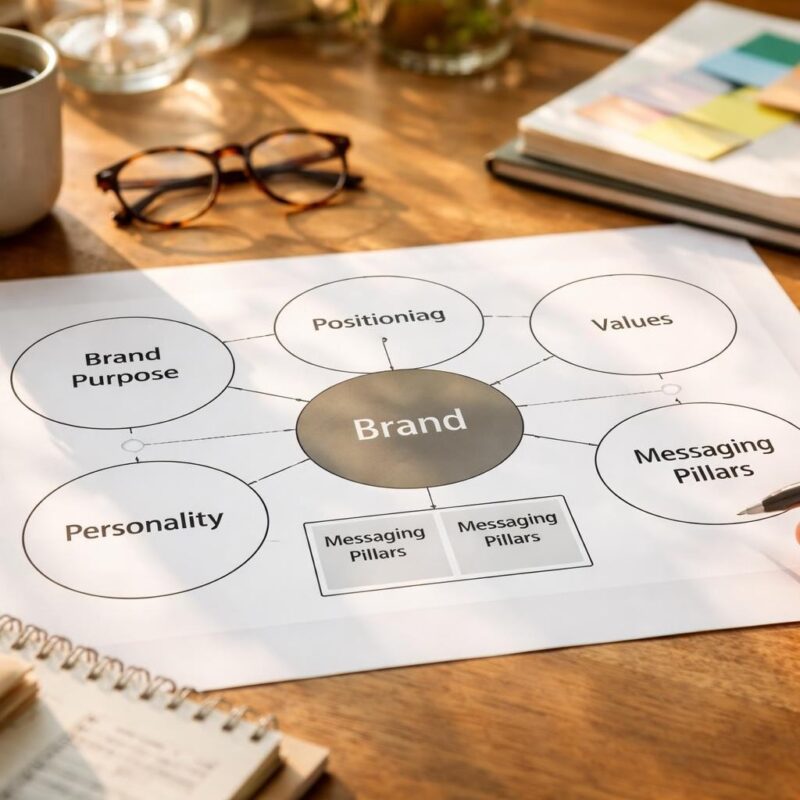
Unlocking long-term success in 2026 starts with understanding the fundamental building blocks of brand strategy design. These core elements create the framework for differentiation, emotional connection, and growth. Let’s break down each essential component.

Purpose, Mission, and Values
At the heart of every impactful brand strategy design is a clear sense of purpose. Purpose answers the “why” behind your brand’s existence, connecting your business to a greater cause or vision. When you define a mission, you establish the actionable path your brand will follow to fulfill its purpose.
Strong values serve as guiding principles, shaping company culture and influencing every decision. Brands like Patagonia and TOMS excel because they root their missions in sustainability and social impact, earning trust and advocacy.
Simon Sinek’s “Start With Why” framework illustrates how brands that lead with purpose inspire loyalty and long-term engagement. For a deeper dive on foundational principles, explore Brand strategy essentials.
Positioning and Differentiation
Positioning is about carving out a distinctive space for your brand in both the market and the minds of consumers. Effective brand strategy design ensures you are “different, not better,” as noted by Branding Strategy Insider. Being different means your brand stands out for unique qualities, not just for incremental improvements.
Frameworks like category creation and unique value propositions help clarify your differentiation. For example, Dollar Shave Club redefined its category by offering affordable, direct-to-door razors, disrupting traditional retail.
Data shows that brands with clear positioning experience faster growth and stronger recognition. Consistently evaluating your market position keeps your strategy relevant and competitive.
Brand Promise and Proposition
A compelling brand promise is a cornerstone of brand strategy design. This promise sets clear expectations about what customers can rely on when engaging with your brand. It must be credible, meaningful, and consistently delivered.
The brand proposition articulates the tangible and emotional value you offer. Consider Apple’s promise of simplicity and innovation, which is reflected in every product and interaction. The most successful brands over-deliver on their core promise, building trust and credibility.
When the promise and proposition are aligned, customers are more likely to become loyal advocates, fueling sustainable growth.
Brand Personality and Voice
Brand personality gives human traits to your company, making it relatable and memorable. Is your brand playful like Mailchimp, bold like Old Spice, or authoritative like IBM? Defining these traits is a critical part of brand strategy design.
Voice and tone translate personality into messaging. Consistency in communication style builds emotional connections and trust. A playful brand might use humor in marketing, while an authoritative brand maintains a professional and informative tone.
Develop clear guidelines to ensure your personality and voice are reflected across every touchpoint, from social media to customer service.
Audience and Personas
Knowing your audience is fundamental to successful brand strategy design. Go beyond demographics and dive into psychographics and behavioral patterns. What motivates your audience? What are their challenges, aspirations, and values?
Creating personas based on real research allows you to tailor messaging and experiences. For instance, a tech company might develop personas for early adopters, value-seekers, and enterprise buyers, ensuring campaigns resonate with each group.
The more deeply you understand your audience, the more effectively you can shape your brand strategy design, foster loyalty, and drive engagement.
Step-by-Step: Designing Your Brand Strategy for 2026
A successful brand strategy design in 2026 requires a methodical, yet flexible approach. With shifting markets and evolving consumer expectations, each step must be intentional and data-driven. This guide walks you through the essential stages to unlock your brand’s full potential.

Step 1: Deep Audience and Market Research
Every effective brand strategy design begins with a deep understanding of your audience and market. Use a blend of quantitative and qualitative methods to gather insights.
- Surveys and interviews reveal direct feedback from customers.
- Social listening tools track conversations and emerging trends.
- Competitor analysis uncovers gaps and opportunities.
Go beyond demographics. Explore psychographics, motivations, and pain points. For instance, a brand that analyzes psychographic data may discover an underserved niche, leading to a unique positioning. Compare competitors not just on products, but on emotional appeal and messaging.
Organize findings in a table:
| Research Method | Insight Type | Application |
|---|---|---|
| Surveys | Quantitative | Preference trends |
| Interviews | Qualitative | Emotional drivers |
| Social Listening | Behavioral | Real-time sentiment |
| Competitor Analysis | Comparative | Market gaps, differentiation |
Brand strategy design thrives on data-driven decisions, ensuring your approach is both relevant and distinctive.
Step 2: Articulate Your Brand’s Purpose and Mission
With research in hand, the next step in brand strategy design is defining your purpose and mission. This is your “why,” the foundation for everything you do.
Start with workshop exercises. Gather stakeholders to discuss core beliefs, societal trends, and customer aspirations. Use prompts like:
- What change do we want to see in the world?
- How does our work create value beyond profit?
Align your purpose with what customers care about. For example, a brand that pivots its mission toward sustainability often sees increased loyalty and advocacy. Document your purpose in a concise, inspiring statement.
Keep your mission actionable and forward-looking. This clarity will guide decision-making and help your brand strategy design resonate internally and externally.
Step 3: Establish Unique Positioning and Value Proposition
Positioning defines how your brand is perceived in the market, while your value proposition states what you uniquely offer. Effective brand strategy design means finding your “onlyness.”
Use frameworks like positioning maps or “only we” statements. Ask, “What can we claim that no competitor can?” Test your ideas with real customers for credibility and relevance.
Consider challenger brands like Dollar Shave Club. By creating a new category and a bold value proposition, they disrupted a crowded market and built rapid recognition.
List for differentiation:
- Identify the core benefit only you provide.
- Highlight emotional and functional values.
- Ensure your positioning is simple and memorable.
Remember, brand strategy design is not about being better, but about being truly different in ways that matter.
Step 4: Develop Brand Personality, Voice, and Visual Identity
Translating your strategy into personality, voice, and visuals is vital. A cohesive brand strategy design ensures every touchpoint communicates your brand’s essence.
Start by defining personality traits: are you playful, authoritative, or compassionate? Translate these traits into voice and tone guidelines. Collaborate closely with designers to develop your logo, color palette, typography, and imagery.
Maintain consistency across all channels. For 2026, consider trends like adaptive visuals and hyper-personalized aesthetics, which help brands stand out in digital spaces.
Checklist for visual identity:
- Logo and color palette
- Typography and imagery style
- Voice and tone guide
Brand strategy design is most effective when personality and visuals are unified, creating a seamless experience.
Step 5: Craft Your Brand Story and Manifesto
Every brand needs a compelling story. This step in brand strategy design brings together your origin, challenges, transformation, and vision for the future.
A strong brand story builds emotional resonance and authenticity. Use storytelling frameworks to structure your narrative, focusing on relatable characters and real-world impact. Develop a manifesto that inspires both your team and your audience.
For guidance, explore resources on building a brand story to deepen your approach. Brands that rally internal teams and customers around a clear story experience higher engagement and loyalty.
Elements of a powerful story:
- Clear beginning, challenge, and transformation
- Emotional connection with your audience
- Vision that looks forward
Brand strategy design is incomplete without a story that inspires action.
Step 6: Build Internal Alignment and Brand Culture
For brand strategy design to succeed, internal alignment is essential. Share your strategy across all levels, from leadership to frontline employees.
Integrate your values and promise into onboarding, training, and daily routines. Use internal campaigns or culture workshops to reinforce key messages. Brands with strong internal cultures consistently outperform in customer satisfaction and brand equity.
Checklist for alignment:
- Leadership endorsement
- Ongoing training sessions
- Regular feedback loops
Brand strategy design is not just an external exercise. When your team lives the brand, customers feel the difference.
Step 7: Activate, Measure, and Iterate
The final step in brand strategy design is activation and continuous improvement. Launch your strategy across marketing, digital, and experiential channels.
Set clear KPIs to track progress. Common metrics include brand awareness, engagement, loyalty, and equity. Use analytics tools to gather feedback and measure impact.
Example table for KPIs:
| Metric | Measurement Tool | Frequency |
|---|---|---|
| Brand Awareness | Surveys, Analytics | Quarterly |
| Engagement | Social Metrics | Monthly |
| Loyalty | NPS, Retention | Quarterly |
| Brand Equity | Brand Audit | Annually |
Refine your brand strategy design regularly. Analyze what works, iterate on weak spots, and stay agile as markets evolve.
Common Brand Strategy Mistakes and How to Avoid Them
Avoiding common pitfalls is just as crucial as following best practices in brand strategy design. Even the most innovative brands can stumble if they overlook fundamentals or lose sight of their strategic core. By recognizing these missteps early, you can safeguard your brand’s growth and reputation.
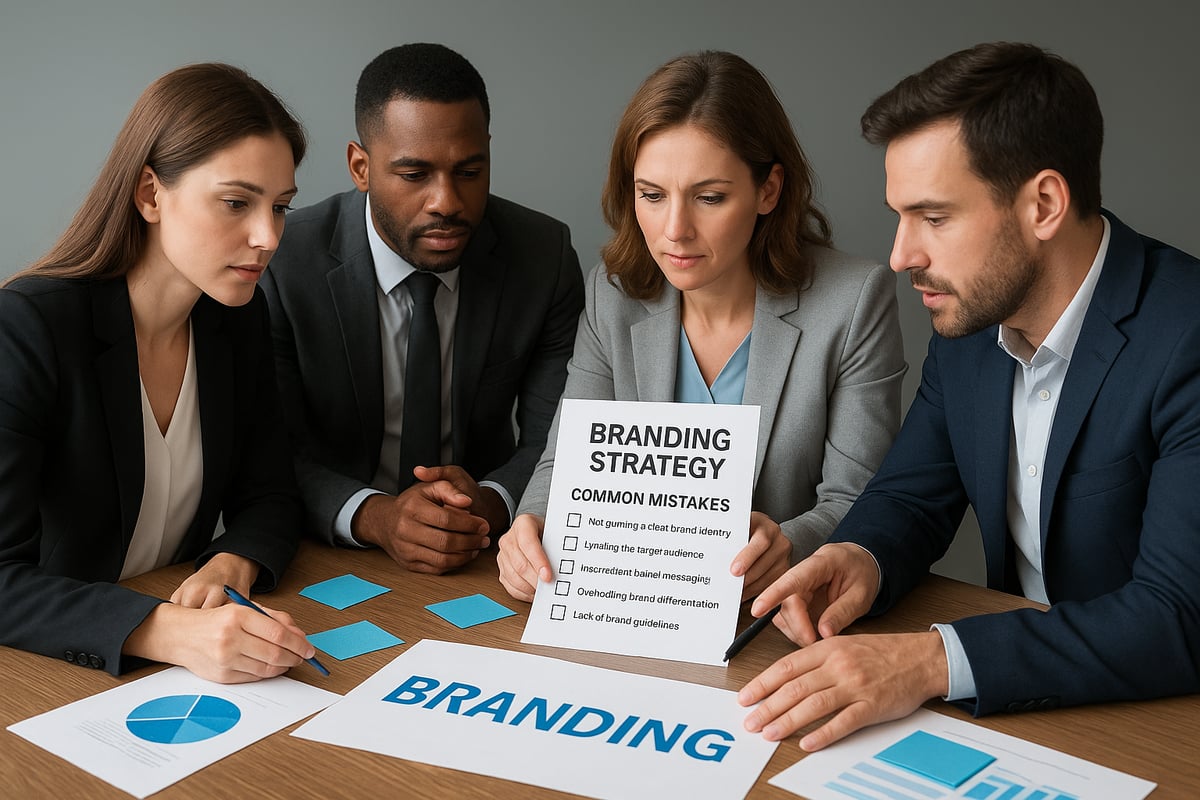
Mistake 1: Trying to Appeal to Everyone
One of the most frequent errors in brand strategy design is casting too wide a net. When you attempt to reach everyone, your message becomes diluted and loses impact. Brands that lack focus often struggle to build meaningful connections or stand out in competitive markets.
Solution: Define your audience clearly. Use detailed personas based on real research, and tailor your messaging to their needs, pain points, and aspirations. Brands that thrive in 2026 are those that engage a specific audience with precision.
Mistake 2: Confusing Tactics with Strategy
It is easy to mistake tactical moves—like launching a campaign or refreshing a logo—for true brand strategy design. However, tactics are short-term actions, while strategy is the long-term framework that guides every decision.
Solution: Anchor all activities in your brand’s purpose, positioning, and differentiation. Before launching any initiative, ask if it aligns with your core strategy. As Branding Strategy Insider notes, “Strategy describes what you do differently,” not how you follow a template.
Mistake 3: Lack of Internal Alignment
A strong external message means little if your internal team is not on the same page. Brands often falter when employees do not understand or embody the brand strategy design, leading to inconsistency and weakened trust.
Solution: Involve your team early. Share your brand promise and values through onboarding, training, and regular communication. Brands with strong internal cultures consistently outperform their peers in customer satisfaction.
Mistake 4: Following Trends Blindly
Chasing every new trend can make your brand seem inauthentic or scattered. While it is important to evolve, brand strategy design should not be driven by fads. Authenticity and relevance matter far more to long-term success.
Solution: Stay informed about trends, such as Branding best practices, but always filter them through your unique purpose and audience insights. Only adopt what aligns with your core identity and resonates with your target market.
Mistake 5: Overcomplicating Strategy
Some brands overengineer their brand strategy design, creating frameworks that are too complex to execute or understand. Complexity can stifle creativity and slow down decision-making.
Solution: Simplify your approach. Use clear, actionable frameworks, and focus on what truly differentiates your brand. The most effective strategies are those that everyone in your organization can articulate and act on.
Mistake 6: Neglecting Measurement and Iteration
Without regular review, even the best strategies can become outdated. Brands that set and forget their brand strategy design risk missing shifts in the market or consumer expectations.
Solution: Establish clear KPIs, track brand health, and regularly revisit your strategy. Use data and feedback to refine your approach. Many successful brands iterate their strategies to stay ahead, turning missteps into opportunities for growth.
Case in Point
A major retailer once diluted its positioning in an attempt to capture a broader audience, resulting in confused messaging and a decline in brand loyalty. After refocusing on its original audience and streamlining its brand strategy design, the brand regained market share and customer trust.
Remember, as competitors advise, “Better isn’t different. Better is the same, but we try harder.” Differentiation, clarity, and consistent execution are the hallmarks of winning brand strategy design.
Actionable Checklist: Unlocking Your Brand’s Potential
A robust checklist turns brand strategy design from theory into high-impact results. In 2026, clarity and intentionality are the backbone of any successful brand. Use this comprehensive checklist to audit, refine, and elevate your approach—ensuring your brand stands out and thrives in a rapidly evolving landscape.
Self-Assessment: Is Your Brand Strategy Design Future-Ready?
Ask yourself and your team these critical questions:
- What do we stand for, and why do we exist?
- How are we different from competitors in 2026?
- Is our brand strategy design built for adaptability and personalization?
- Are our purpose, promise, and values clearly understood by all stakeholders?
- Does our identity resonate emotionally with our ideal audience?
Reflecting on these questions exposes gaps and strengths in your current approach. Make sure your answers are specific and actionable.
Define Purpose, Positioning, and Promise
Start by clarifying your brand’s core:
- Purpose: Why does your brand exist beyond profit?
- Positioning: What unique space do you own in the market?
- Promise: What value do you consistently deliver?
Write concise statements for each. Use them to guide every decision, from messaging to experience. For inspiration, review how Hyper-Personalized Brand Aesthetics are informing intentional and adaptive visuals in leading brands.
Ensure Clarity, Consistency, and Emotional Resonance
Brand strategy design must be clear, consistent, and emotionally engaging.
- Audit all messaging for clarity and alignment with core values.
- Check that every touchpoint—website, social, packaging—feels unified.
- Use storytelling and visuals to create authentic emotional connections.
- Integrate adaptive design elements that reflect evolving consumer expectations.
Consistency builds trust, while resonance drives loyalty and advocacy.
Internal Alignment and Cultural Integration
A powerful brand strategy design lives inside your organization first.
- Share your strategy with every team member and stakeholder.
- Embed purpose and values into onboarding, training, and daily operations.
- Encourage feedback to keep your culture aligned with your strategic goals.
- Celebrate behaviors that reflect your brand’s promise.
Internal alignment is the foundation for external impact.
Measure, Iterate, and Learn: The Continuous Cycle
Set clear KPIs for brand awareness, engagement, and loyalty. Regularly review analytics, customer feedback, and employee insights to spot opportunities for improvement.
Leverage new tools like AI-Enhanced Creativity in Branding to personalize experiences and measure brand health at scale. Brands that use checklists for ongoing iteration report faster adaptation and stronger brand equity.
A living, evolving checklist ensures your brand strategy design remains relevant and competitive—year after year.
Essential Tools, Resources, and Trends for Brand Strategy in 2026
Navigating the future of brand strategy design requires the right combination of knowledge, digital resources, and trend awareness. As 2026 approaches, brands must leverage both proven frameworks and innovative tools to stay ahead. This section offers a curated selection of essentials to empower your brand strategy design and ensure you remain relevant in a rapidly evolving landscape.
Must-Have Books, Podcasts, and Frameworks
A strong foundation in brand strategy design starts with expert insights and practical frameworks. Consider adding these essential books to your shelf:
| Book Title | Author(s) | Focus Area |
|---|---|---|
| Building a StoryBrand | Donald Miller | Messaging, Clarity |
| The Brand Gap | Marty Neumeier | Strategy, Differentiation |
| Positioning | Al Ries & Jack Trout | Market Positioning |
Podcasts like Branding Matters, The Brand Strategy Podcast, and Just Branding provide timely discussions and interviews with industry leaders. For frameworks, explore brand archetypes, The Golden Circle (why, how, what), and the Brand House or Brand Heart models. These resources are invaluable for anyone committed to elevating their brand strategy design.
Digital Tools and Templates
Effective brand strategy design relies on the seamless integration of digital tools and templates. Start with persona builders and messaging guides to ensure your strategy is audience-centric. Use analytics platforms to measure brand health and track KPIs, such as awareness or loyalty.
Visual identity toolkits and style guide generators help maintain consistency across every touchpoint. Many brands benefit from collaborative platforms that allow real-time updates to their brand guidelines. By leveraging these resources, you can streamline your brand strategy design process and foster alignment across teams.
Emerging Trends Shaping Brand Strategy in 2026
Staying ahead in brand strategy design means embracing trends that drive meaningful connection. In 2026, AI-driven personalization will transform how brands engage with consumers, while purpose and sustainability remain at the forefront. Brands are also moving into the relationship era, focusing on building communities rather than just acquiring customers.
Human-centric creativity is gaining traction, with designers exploring Texture, Warmth, and Tactile Rebellion to enhance authenticity. At the same time, Subtle Retro-Futurism in Design is blending nostalgia with innovation, offering fresh yet familiar aesthetics. According to Branding Strategy Insider, 70 percent of consumers now prefer brands with clear values and purpose, highlighting the growing impact of strategic brand design.
As you’ve seen, building a standout brand in 2026 means blending psychology, creativity, and smart strategy—so your business doesn’t just look good, it truly connects and grows with intention. If you’re ready to put these insights into action and want a practical next step, we’re here to help guide you every step of the way. Whether you’re refining your purpose or realigning your brand culture, you don’t have to do it alone. Let’s explore your goals together and unlock new opportunities for your brand—Book a Discovery Call.