
A brand content strategy represents far more than a publishing calendar or a list of topics to cover. It’s the architectural blueprint that determines how your business communicates its values, connects with audiences on an emotional level, and consistently reinforces the unique identity that sets your brand apart. When developed thoughtfully, this strategy becomes the bridge between your brand’s purpose and your audience’s needs, creating content that resonates deeply while driving measurable business outcomes.
Understanding the Foundation of Brand Content Strategy
A brand content strategy differs fundamentally from generic content marketing approaches. While content marketing focuses primarily on generating traffic and leads, a comprehensive content strategy weaves your brand’s essence into every piece you create. This distinction matters because audiences today crave authenticity and connection, not just information.
The core components that define this approach include:
- Brand voice and personality consistency across all channels
- Emotional resonance that aligns with your brand values
- Strategic messaging that reinforces brand positioning
- Content frameworks that support long-term brand building
- Integration of psychology and human behavior insights
When you develop content through a brand-first lens, you’re not simply answering questions or filling keyword gaps. You’re building a relationship with your audience that transcends individual transactions. This psychological component transforms casual readers into brand advocates who identify with your mission and values.
The Psychology Behind Effective Brand Content
Understanding human psychology elevates your brand content strategy from functional to transformational. Emotional connection drives decision-making far more powerfully than rational features alone. Research consistently shows that people make purchasing decisions based on feelings, then justify those decisions with logic afterward.
Your content must therefore speak to both the emotional and rational mind. Stories about transformation, belonging, achievement, or purpose tap into fundamental human needs. When aligned with your overall brand strategy, these psychological triggers create memorable experiences that differentiate your brand in crowded markets.

Building Your Strategic Framework
The M Method approach to brand content strategy emphasizes clarity, intention, and measurable impact. This framework ensures that every content piece serves multiple purposes: educating your audience, reinforcing brand identity, and moving people toward specific actions.
Define Your Brand’s Content Pillars
Content pillars form the thematic foundation of your strategy. These three to five core topics should directly reflect your brand values while addressing your audience’s primary needs. For a creative studio focused on psychology-driven marketing, pillars might include brand psychology, strategic design thinking, emotional marketing, and purpose-driven business growth.
| Content Pillar | Brand Alignment | Audience Value | Business Objective |
|---|---|---|---|
| Brand Psychology | Core expertise in behavioral science | Understanding customer motivation | Position as thought leader |
| Strategic Design | Integration of aesthetics and function | Creating meaningful visual identity | Showcase methodology |
| Emotional Marketing | Connection-first approach | Building authentic relationships | Demonstrate unique value |
| Purpose-Driven Growth | Intentional business building | Sustainable success strategies | Attract ideal clients |
Each pillar should generate multiple content formats and topics while maintaining thematic consistency. This structure prevents content chaos and ensures your brand message remains coherent across channels.
Develop Your Unique Brand Voice
Your brand voice distinguishes you from competitors sharing similar expertise. This voice should reflect your brand personality whether that’s bold and innovative, warm and nurturing, sophisticated and refined, or playful and creative. Consistency in voice builds recognition and trust over time.
Voice guidelines should address:
- Tone variations for different contexts and platforms
- Language preferences including industry jargon versus accessible terms
- Perspective and point of view (first person, second person, third person)
- Sentence structure and rhythm that feels authentically yours
- Emotional range from serious to lighthearted
Document these guidelines thoroughly so anyone creating content for your brand can maintain consistency. Your social media marketing and blog content should feel connected even when covering different topics.
Content Creation With Intentional Purpose
Every piece of content you create should serve a clear purpose within your brand content strategy. Random publication without strategic intent dilutes your brand message and wastes resources. Intentional content planning ensures maximum impact from your efforts.
Map Content to the Customer Journey
Different content types serve different stages of the customer journey. Awareness-stage content introduces your brand and establishes expertise. Consideration-stage content demonstrates your unique approach and methodology. Decision-stage content provides proof points and clear next steps.
This mapping ensures you create appropriate content for each stage rather than overwhelming prospects with calls to action before they understand your value. A well-crafted content strategy recognizes these nuances and plans accordingly.
- Awareness content: Educational blog posts, thought leadership articles, social media insights
- Consideration content: Case studies, methodology explanations, framework breakdowns
- Decision content: Service descriptions, testimonials, consultation offerings
Leverage Data-Driven Insights
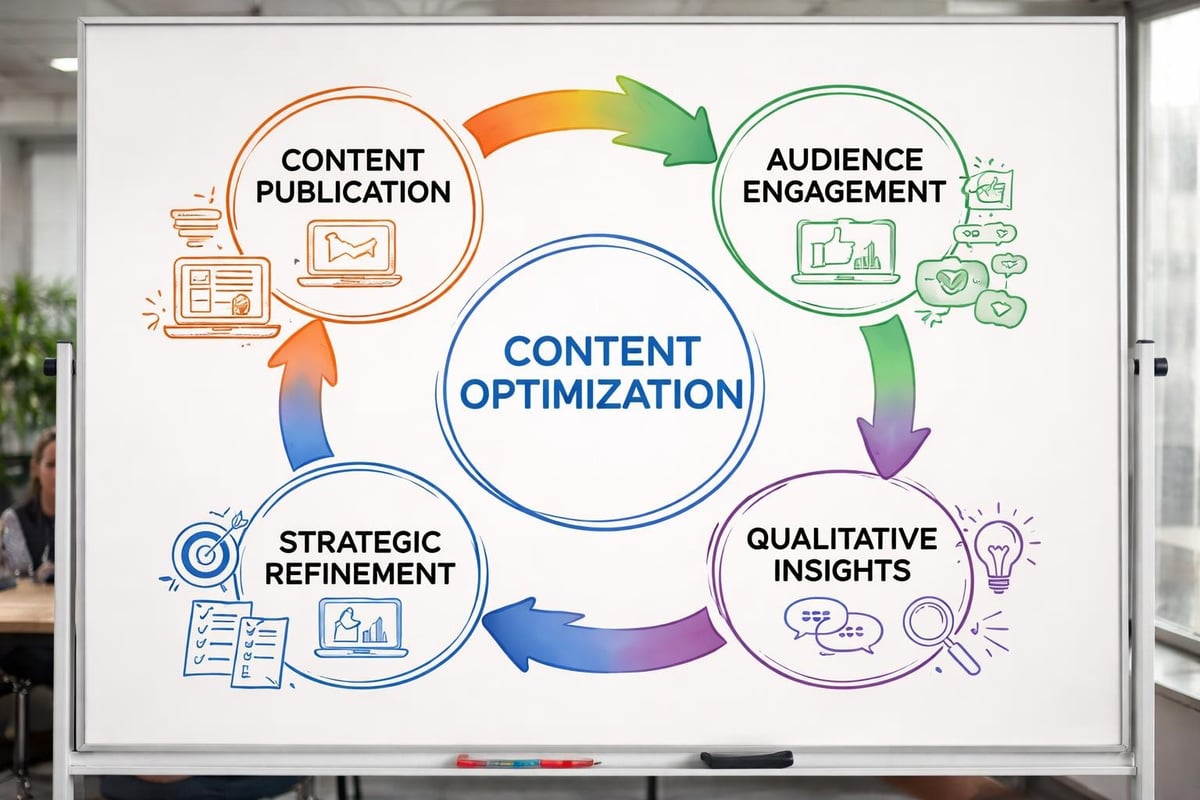
Digital consumer intelligence transforms your brand content strategy from guesswork into precision. Analytics reveal which topics resonate, which formats perform best, and which calls to action drive conversions. This data should inform ongoing content development without dictating every creative decision.
Balance quantitative metrics with qualitative feedback. Comments, direct messages, and conversations provide context that numbers alone cannot capture. Your audience tells you what matters to them when you listen actively and adjust your strategy accordingly.
Distribution and Channel Strategy
Creating exceptional content means little if it never reaches your intended audience. Your distribution strategy determines who sees your content, when they encounter it, and through which channels they engage with your brand.
Select Channels Strategically
Not every platform deserves your attention. Focus on channels where your ideal audience actively seeks the type of content you create. For professional services and creative work, this typically includes platforms emphasizing visual storytelling and thought leadership.
Channel selection criteria include:
- Audience demographics and psychographics alignment
- Platform strengths matching your content formats
- Your capacity to maintain consistent presence
- Organic reach potential and community engagement
- Integration with overall marketing ecosystem
A focused approach on fewer channels outperforms scattered presence across numerous platforms. Master one or two channels before expanding your distribution footprint.
Optimize for Each Platform’s Unique Context
Cross-posting identical content across platforms misses opportunities for optimization. Each channel has distinct user expectations, content consumption patterns, and algorithmic preferences. Your brand content strategy should include platform-specific adaptations that maintain core messaging while respecting each environment’s norms.
LinkedIn audiences expect professional insights and industry analysis. Instagram users respond to visual storytelling and behind-the-scenes authenticity. Your blog allows for comprehensive, searchable content that establishes deep expertise. Tailor your approach while maintaining brand consistency across all touchpoints.
Measuring Impact and Refining Strategy
A brand content strategy requires ongoing evaluation and refinement. Set clear benchmarks at the outset, then track progress consistently. Measurement goes beyond vanity metrics to assess genuine business impact.
Establish Meaningful KPIs
| Metric Category | Example Indicators | Strategic Value |
|---|---|---|
| Brand Awareness | Branded search volume, social mentions, share of voice | Market positioning strength |
| Engagement Quality | Time on page, scroll depth, comment depth | Content resonance |
| Audience Growth | Email subscribers, social followers, community members | Expanding reach |
| Business Impact | Consultation requests, qualified leads, client conversions | Revenue contribution |
| Brand Perception | Sentiment analysis, testimonial themes, survey responses | Emotional connection |
Track these metrics monthly or quarterly depending on your publication frequency and business cycle. Look for trends rather than fixating on daily fluctuations.
Implement Continuous Improvement Processes
Your brand content strategy should evolve as your business grows and market conditions shift. Schedule quarterly strategy reviews to assess what’s working, identify gaps, and explore new opportunities. This rhythm prevents both stagnation and reactive chaos.
Review processes should examine:
- Content performance against established KPIs
- Audience feedback and emerging questions
- Competitive landscape and market trends
- Internal capacity and resource allocation
- Brand evolution and messaging refinement
Document insights from each review cycle and adjust your strategy accordingly. Small, consistent improvements compound into significant competitive advantages over time.

Integration With Broader Marketing Initiatives
Your brand content strategy shouldn’t exist in isolation from other marketing efforts. Instead, it should serve as the connective tissue linking various initiatives into a cohesive brand experience.
Align Content With Brand Identity
Everything you create should reinforce the secret ingredient that makes your brand unique. This alignment ensures consistency across customer touchpoints whether someone encounters your brand through social media, your website, email marketing, or client presentations.
Understanding branded content versus traditional advertising helps clarify this approach. Rather than interrupting audiences with promotional messages, you’re inviting them into meaningful conversations that naturally showcase your expertise and values.
Support Service Offerings Through Content
Strategic content directly supports your service ecosystem by educating prospects about your approach, demonstrating results, and addressing common objections before they arise. For businesses offering comprehensive design and marketing services, content establishes the value of integrated solutions.
Educational content builds trust by proving expertise before prospects invest financially. When someone understands your methodology through content consumption, sales conversations shift from convincing to collaborating. This dramatically shortens sales cycles and improves client fit.
Content Operations and Workflow Management
The operational side of brand content strategy determines whether brilliant ideas actually manifest as published content. Establishing efficient workflows, clear responsibilities, and realistic timelines ensures consistent execution.
Build Sustainable Production Systems
Content creation demands significant time and creative energy. Sustainable systems prevent burnout while maintaining quality standards. Batch similar tasks together, create templates for recurring content types, and establish review processes that catch errors without creating bottlenecks.
Efficient workflow components include:
- Editorial calendars with flexible scheduling buffers
- Content briefs that clarify objectives and requirements
- Approval processes appropriate to your team size
- Asset libraries for reusable visual and written elements
- Quality checklists ensuring brand standards
Small teams especially benefit from streamlined systems that maximize output without sacrificing the strategic thinking that makes content effective.
Repurpose Content Strategically
A single piece of well-researched content can fuel dozens of secondary assets. Transform blog posts into social media threads, infographics, video scripts, email sequences, and presentation materials. This approach amplifies your investment while reinforcing key messages through repetition and varied formats.
Repurposing differs from simple reposting. Each adaptation should optimize for its specific context and audience while maintaining core messaging. This strategic approach extends content lifespan and reaches people with different consumption preferences.
Future-Proofing Your Strategy
Market conditions, platform algorithms, and audience preferences constantly evolve. Building adaptability into your brand content strategy protects against obsolescence while positioning you to capitalize on emerging opportunities.
Stay Grounded in Timeless Principles
While tactics and platforms change, fundamental human psychology remains constant. People still crave connection, seek belonging, desire achievement, and pursue purpose. Content grounded in these timeless needs transcends temporary trends and algorithm updates.
Focus your strategy on creating genuine value and authentic connection rather than gaming systems or chasing viral moments. This foundation supports sustainable growth regardless of platform changes or market disruptions.
Embrace Experimentation Within Structure
Your strategic framework provides guardrails, not a prison. Reserve capacity for testing new formats, exploring emerging platforms, and trying unconventional approaches. Some experiments will fail, but others will uncover breakthrough opportunities that competitors miss.
Track experiments systematically so you can identify patterns and scale successes. Document failures equally to avoid repeating mistakes and accelerate organizational learning.

Building a brand content strategy that truly connects requires equal parts psychology, creativity, and strategic discipline. When you align content with your brand’s core purpose while addressing genuine audience needs, you create marketing that feels less like promotion and more like valuable relationship-building. New Love Marketing & Design specializes in this integrated approach, using The M Method framework to help businesses develop content strategies that resonate emotionally and perform with measurable impact. Ready to transform your content into a genuine brand asset? Discover how New Love Marketing & Design can help you build a strategy with clarity and intention.