
Digital video advertising has transformed from a supplementary marketing tactic into a cornerstone of modern brand strategy. With consumers spending more time watching digital content across multiple devices, brands have unprecedented opportunities to create emotional connections through motion, sound, and storytelling. This shift represents more than just a change in media consumption-it signals a fundamental evolution in how audiences expect to engage with brands and how businesses can communicate value in ways that resonate psychologically and drive measurable results.
The Explosive Growth of Digital Video Advertising
The digital video advertising landscape is experiencing remarkable expansion, with projections indicating the market will reach $712.6 billion globally by 2031, growing at a compound annual growth rate of 29.6%. This growth reflects a decisive shift in how brands allocate marketing budgets.
Traditional television has witnessed significant decline, with local TV losing more than half of its media spending share since 2017. These funds are rapidly migrating to digital video channels that offer superior targeting, measurement, and engagement capabilities.
Why Brands Are Prioritizing Video
Several converging factors drive this investment shift:
- Enhanced engagement rates: Video content generates higher interaction rates than static formats across all platforms
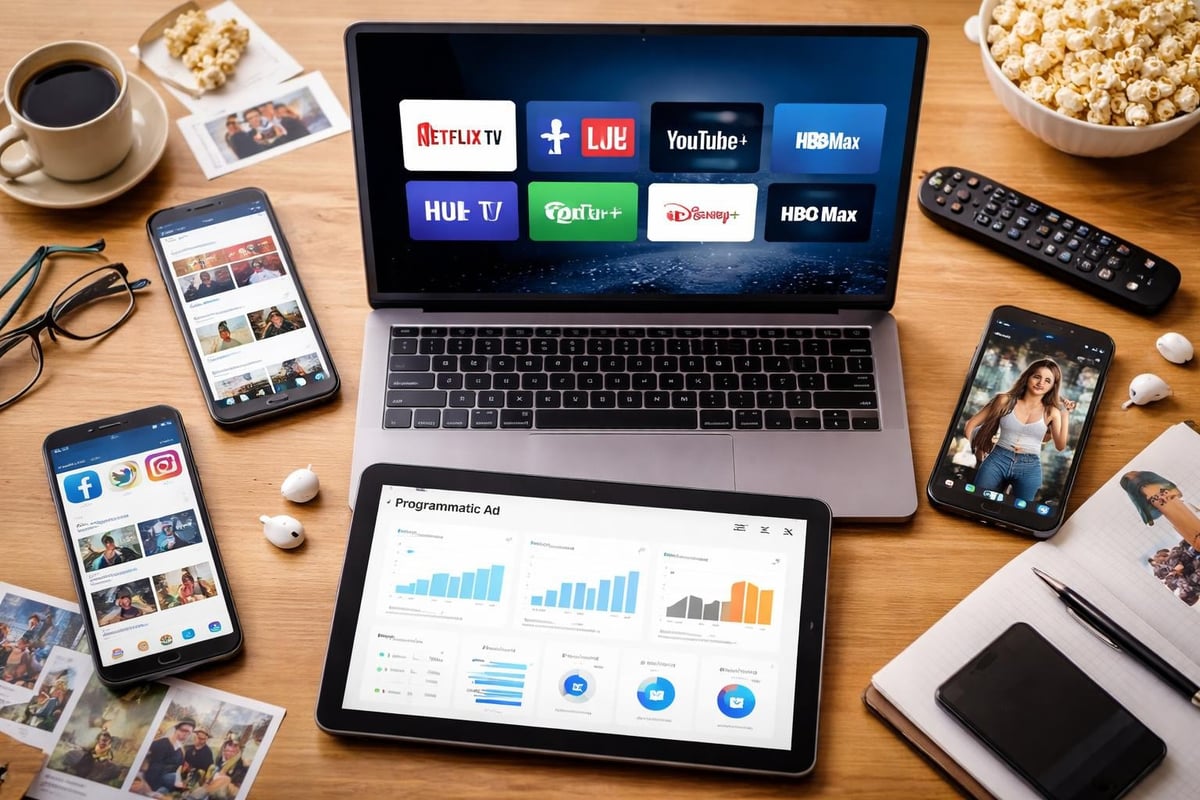
- Cross-device reach: Consumers seamlessly move between smartphones, tablets, desktops, and connected TV devices
- Sophisticated targeting: Advanced algorithms enable brands to reach specific audiences based on behavior, demographics, and interests
- Measurable performance: Real-time analytics provide granular insights into viewer behavior and campaign effectiveness
- Emotional connection: Motion and sound create stronger psychological bonds than text or static images
The psychology behind video's effectiveness lies in its ability to engage multiple senses simultaneously. When brands combine visual storytelling with strategic messaging, they create memorable experiences that influence purchasing decisions and build long-term brand affinity.
Strategic Platforms for Digital Video Advertising
Selecting the right platforms for your digital video advertising campaigns requires understanding where your audience spends time and how they consume content on each channel.
Social Media Video Advertising
Social platforms have evolved into sophisticated video advertising ecosystems, each with distinct characteristics:
YouTube remains the dominant platform for intentional video consumption, offering pre-roll, mid-roll, and display ad formats. Its integration with Google's advertising ecosystem provides robust targeting options based on search behavior and interests.
Facebook and Instagram deliver video ads within feeds and stories, capitalizing on social browsing behavior. These platforms excel at awareness campaigns and retargeting strategies, with particular strength in building brand recognition through repeated exposure.
TikTok represents the frontier of short-form video advertising, where authenticity and entertainment value determine success. Brands that embrace platform-native creative approaches often achieve remarkable engagement rates with younger demographics.
Connected TV and Streaming Platforms
Connected TV (CTV) advertising bridges the gap between traditional television's broad reach and digital advertising's precision. The IAB Tech Lab continues to standardize CTV ad formats, making it easier for brands to execute campaigns across multiple streaming services.
CTV offers several unique advantages:
| Feature | Benefit | Strategic Application |
|---|---|---|
| Household targeting | Reach specific demographics without cookie limitations | Premium product launches |
| Large screen viewing | Enhanced creative impact and brand recall | Emotionally-driven campaigns |
| Premium content environment | Association with quality programming | Brand building initiatives |
| Advanced measurement | Track conversions beyond impressions | Performance optimization |
However, brands should be aware of emerging challenges. Recent reports indicate that counterfeit devices can distort CTV ad impressions, highlighting the importance of working with reputable partners and demanding transparency in reporting.
Programmatic Video Networks
Programmatic advertising automates the buying process, enabling brands to purchase video ad placements across thousands of websites and apps simultaneously. This approach maximizes efficiency and allows for sophisticated optimization based on performance data.
The programmatic ecosystem includes several buying methods:
- Open marketplace: Competitive bidding for available inventory across multiple publishers
- Private marketplace: Invitation-only auctions with premium publishers
- Preferred deals: Negotiated rates with specific publishers before open auction
- Programmatic guaranteed: Direct purchases at fixed prices through programmatic infrastructure
Creative Best Practices for Digital Video Advertising
The effectiveness of digital video advertising depends heavily on creative execution that resonates with viewers while adhering to platform specifications and audience expectations.
Essential Creative Principles
Following established digital video advertising creative guidelines ensures your content performs optimally across platforms:
Sound strategy matters tremendously. While many users watch videos with sound off, particularly on social platforms, those who do enable audio expect quality. Design videos that work both with and without sound by incorporating captions, on-screen text, and visual storytelling that doesn't rely exclusively on narration.
Front-load your message. Viewers decide within the first three seconds whether to continue watching. Place your most compelling content, brand elements, and value propositions at the beginning rather than building to a reveal.
Optimize for mobile viewing. With the majority of digital video consumption occurring on smartphones, ensure text is readable on small screens, important elements remain visible, and overall composition works in vertical and square formats.
Format-Specific Considerations
Different video lengths serve distinct strategic purposes:
- 6-15 seconds: Maximum impact awareness messages, ideal for brand recognition and simple call-to-action delivery
- 30 seconds: Standard format balancing message depth with viewer attention, suitable for product demonstrations and storytelling
- 60+ seconds: In-depth explanations, testimonials, and narrative-driven content for engaged audiences
The best practices for digital advertising emphasize alignment between creative approach and campaign objectives, whether focused on awareness, consideration, or conversion.

Targeting and Audience Segmentation Strategies
Digital video advertising's power lies in reaching specific audiences with relevant messages at optimal moments. Sophisticated targeting transforms generic advertising into personalized communication.
Audience Segmentation Approaches
Demographic targeting provides foundational segmentation based on age, gender, location, and income. While broad, these categories help ensure basic message relevance and eliminate waste on unlikely prospects.
Behavioral targeting examines past actions-websites visited, content consumed, searches conducted-to identify intent and interests. This approach proves particularly effective for products and services requiring consideration before purchase.
Contextual targeting places ads alongside relevant content, ensuring your message appears when audiences are already engaged with related topics. This strategy respects privacy while maintaining relevance.
Retargeting campaigns reconnect with users who previously interacted with your brand, moving them through the consideration funnel with tailored messages addressing specific stages in their journey.
Advanced Targeting Techniques
Lookalike audiences identify new prospects who share characteristics with your best existing customers, expanding reach while maintaining quality. Custom audiences combine first-party data with platform insights, creating highly specific segments.
Sequential messaging delivers different creative to the same audience over time, building narratives that deepen engagement and guide viewers toward conversion. This approach recognizes that meaningful brand relationships develop through repeated, relevant touchpoints rather than single exposures.
Measurement and Performance Optimization
Effective digital video advertising requires continuous measurement and refinement based on performance data. Unlike traditional media, digital platforms provide granular insights into viewer behavior and campaign effectiveness.
Key Performance Indicators
Different campaign objectives require different success metrics:
| Objective | Primary KPIs | Secondary Metrics |
|---|---|---|
| Awareness | Impressions, reach, view-through rate | Brand lift, ad recall |
| Consideration | Engagement rate, click-through rate, watch time | Website visits, content downloads |
| Conversion | Cost per acquisition, return on ad spend | Conversion rate, customer lifetime value |
View-through rate measures the percentage of viewers who watch specific portions of your video, revealing where audiences lose interest. Completion rate indicates how many viewers watch the entire video, suggesting creative effectiveness and message resonance.
Engagement metrics including likes, shares, comments, and saves demonstrate active interest beyond passive viewing. These signals indicate content that connects emotionally and motivates action.
Testing and Iteration
Systematic testing uncovers which creative elements, targeting parameters, and placements deliver optimal results:
- A/B testing: Compare two versions of a single variable to identify the stronger performer
- Multivariate testing: Examine multiple variables simultaneously to understand interaction effects
- Sequential testing: Evaluate changes over time to account for seasonality and market shifts
- Holdout groups: Maintain control audiences to measure true incremental impact
The most successful brands treat digital video advertising as an iterative process, continuously refining based on data rather than relying on assumptions or static strategies.

Integrating Video Across the Customer Journey
Strategic digital video advertising recognizes that different audiences require different messages depending on their relationship with your brand and position in the buying process.
Awareness Stage Video Content
Prospects at the awareness stage need education about problems and potential solutions rather than direct product promotion. Video content should:
- Establish credibility through valuable insights and expertise demonstration
- Address pain points your audience experiences
- Present broader concepts before narrowing to specific offerings
- Create emotional resonance through storytelling and relatable scenarios
Consideration Stage Engagement
As prospects move into active evaluation, video content becomes more specific:
Product demonstrations showcase functionality and benefits in action, helping viewers visualize usage in their own context. Customer testimonials provide social proof, reducing perceived risk through authentic experiences from people like them.
Comparison content positions your offering against alternatives, highlighting distinctive value propositions. Behind-the-scenes footage builds trust by humanizing your brand and demonstrating transparency.
Conversion and Retention
Final-stage video advertising addresses remaining objections and motivates immediate action. Limited-time offers, detailed specifications, purchasing guides, and implementation support content all serve this phase.
Post-purchase video advertising maintains engagement, encourages advocacy, and builds long-term relationships. Onboarding sequences, advanced usage tips, community highlights, and exclusive updates keep customers connected to your brand beyond the initial transaction.
Budget Allocation and Resource Planning
Effective digital video advertising requires strategic resource allocation across production, media buying, and optimization activities.
Production Investment Considerations
Video production costs vary dramatically based on approach:
- In-house creation: Minimal monetary cost but requires time, equipment, and skill development
- Freelance producers: Moderate cost with flexible scalability for specific projects
- Production agencies: Premium investment delivering polished, professional content
- User-generated content: Low cost with high authenticity, particularly effective for social platforms
The appropriate investment level depends on campaign objectives, platform requirements, and brand positioning. Premium brand-building campaigns typically justify higher production values, while direct-response and social content often performs better with authentic, lower-production approaches.
Media Buying Strategies
Global digital video advertising spending continues its rapid ascent, creating competitive pressure in popular placements. Strategic budget allocation considers:
Platform diversification reduces dependency on single channels while enabling testing across different audience segments. Seasonal fluctuation planning concentrates resources during high-intent periods rather than maintaining constant spending year-round.
Bid strategy optimization balances cost efficiency with performance goals, adjusting based on campaign phase and competitive dynamics. Initial awareness campaigns may prioritize reach over efficiency, while conversion-focused initiatives demand strict cost-per-acquisition targets.
Emerging Trends Shaping Digital Video Advertising
The digital video advertising landscape continues evolving rapidly, with several trends poised to reshape strategy and execution in coming years.
Interactive and Shoppable Video
Interactive elements transform passive viewing into active engagement, allowing viewers to explore products, access additional information, or complete purchases without leaving the video environment. Shoppable video formats integrate e-commerce functionality directly into content, collapsing the traditional funnel and reducing friction between discovery and conversion.
Artificial Intelligence and Personalization
AI-powered creative optimization automatically generates variations tailored to individual viewers based on demographics, behavior, and real-time context. Dynamic creative optimization delivers the right message, offer, and call-to-action to each viewer, maximizing relevance at scale.
Machine learning algorithms continuously improve targeting and bidding strategies, identifying patterns humans might miss and optimizing performance faster than manual approaches.
Privacy-First Targeting Solutions
As third-party cookies disappear and privacy regulations expand, digital video advertising adapts through contextual targeting, first-party data strategies, and privacy-preserving technologies. Brands investing in direct customer relationships and permission-based marketing position themselves advantageously for this transition.
Contextual intelligence has become increasingly sophisticated, analyzing content themes, sentiment, and viewer intent to place ads in relevant environments without personal data tracking.
Short-Form Video Dominance
The explosive growth of TikTok, Instagram Reels, and YouTube Shorts reflects audience preference for quick, entertaining content. Brands adapting to shorter attention spans without sacrificing message effectiveness gain competitive advantage. This format demands creativity that captures attention immediately and delivers value in seconds rather than minutes.
Building a Comprehensive Video Advertising Strategy
Successful digital video advertising requires more than isolated campaigns-it demands integrated strategy connecting creative, targeting, platforms, and measurement into a cohesive system aligned with business objectives.
Strategic Framework Development
Begin with clear objective definition. What specific business outcomes should video advertising drive? Increased brand awareness among new demographics? Higher conversion rates for specific products? Improved customer retention and lifetime value?
Audience research provides the foundation for relevant messaging. Beyond demographics, understand psychographics-values, motivations, aspirations, and concerns that influence decisions. This psychological insight enables creative that resonates emotionally rather than simply conveying information.
Competitive analysis reveals opportunities and gaps. Where are competitors investing? What messages and approaches dominate your category? How can your brand differentiate while remaining relevant to audience expectations?
Creative Development Process
Effective creative stems from strategic briefs that clearly articulate objectives, target audiences, key messages, and success criteria. Collaborative development involving strategists, creators, and subject matter experts produces stronger concepts than siloed approaches.
Storyboarding and scripting ensure clarity before production begins, reducing costly revisions. Review processes should evaluate strategic alignment, brand consistency, and technical specifications rather than just subjective preferences.
Production approaches should match platform requirements and audience expectations. Polished commercials may resonate on connected TV while appearing inauthentic on TikTok. Platform-native creative respects how audiences use each channel.
Campaign Execution and Management
Launch campaigns with clear measurement frameworks established. Define success metrics, tracking mechanisms, and reporting cadences before spending begins. This discipline prevents mid-campaign confusion and enables rapid optimization.
Monitor performance daily during initial phases, adjusting targeting, creative rotation, and budget allocation based on early signals. As campaigns mature and patterns stabilize, reduce monitoring frequency while maintaining oversight of key indicators.
Cross-platform coordination ensures consistent messaging while respecting channel differences. Your brand voice remains constant even as creative execution adapts to platform norms and audience expectations.
Digital video advertising offers unprecedented opportunities to connect with audiences through compelling storytelling, strategic targeting, and measurable performance. Success requires blending creative excellence with data-driven optimization, platform expertise with psychological insight, and consistent brand expression with format-specific adaptation. New Love Marketing & Design helps brands navigate this complex landscape through The M Method framework, combining psychology, strategy, and design to create video advertising that connects emotionally and performs with purpose. Whether you're launching your first campaign or optimizing an established program, strategic guidance transforms video advertising from expense into investment.