
Digital marketing communication has evolved far beyond simple promotional messages and advertisements. In 2026, successful brands understand that effective communication requires a strategic blend of psychology, authentic storytelling, and multi-channel engagement. Whether you're building a startup or scaling an established business, mastering the art of digital marketing communication determines how your audience perceives, trusts, and engages with your brand. This comprehensive approach encompasses everything from social media interactions to email campaigns, content marketing to customer service touchpoints, creating a cohesive ecosystem that drives meaningful connections and measurable results.
Understanding the Foundations of Digital Marketing Communication
Digital marketing communication represents the strategic process of conveying brand messages, values, and offerings through digital channels to connect with target audiences. Unlike traditional marketing, this approach leverages technology, data analytics, and real-time feedback to create personalized, interactive experiences that resonate on both rational and emotional levels.
The foundation rests on three core pillars: clarity, consistency, and connection. Clarity ensures your message cuts through digital noise with precision. Consistency builds recognition and trust across every touchpoint. Connection transforms passive viewers into engaged community members who advocate for your brand.
The Psychology Behind Effective Communication
Understanding human psychology forms the backbone of impactful digital marketing communication. People make decisions based on emotions first, then justify those decisions with logic. Your communication strategy must address both dimensions simultaneously.
Key psychological principles include:
- Social proof and community validation
- Reciprocity through valuable content offerings
- Scarcity and urgency when appropriate
- Authority building through expertise demonstration
- Consistency with established brand values
Research shows that trust and authoritative content create the foundation for lasting customer relationships. When your digital marketing communication demonstrates genuine expertise and delivers consistent value, audiences naturally gravitate toward your brand.

Establishing Your Communication Framework
Successful digital marketing communication requires a systematic framework that aligns messaging with business objectives. The framework should define your brand voice, target audience segments, key messages, preferred channels, and measurement criteria.
Begin by conducting a comprehensive audit of your current communication efforts. Analyze which messages resonate, which channels drive engagement, and where gaps exist in your customer journey. This data-driven approach identifies opportunities for improvement and ensures resources focus on high-impact activities.
| Framework Component | Purpose | Key Questions |
|---|---|---|
| Brand Voice | Define communication personality | How should our brand sound? What tone resonates with our audience? |
| Audience Segments | Identify target groups | Who are we speaking to? What are their pain points and aspirations? |
| Core Messages | Establish key themes | What value do we provide? What makes us different? |
| Channel Strategy | Select optimal platforms | Where does our audience spend time? Which formats work best? |
| Metrics | Measure effectiveness | What indicates success? How do we track progress? |
Strategic Content Development for Digital Channels
Content serves as the vehicle for digital marketing communication, carrying your messages to audiences across multiple platforms. Strategic content development goes beyond creating blog posts and social media updates-it builds a comprehensive narrative that educates, inspires, and motivates action.
Creating Value-Driven Content
Value-driven content addresses audience needs before promoting products or services. This approach positions your brand as a trusted resource rather than just another seller. When you consistently deliver insights, solutions, and inspiration, audiences actively seek your communication rather than avoiding it.
Effective content types include:
- Educational guides that solve specific problems
- Case studies showcasing real-world results
- Thought leadership articles establishing expertise
- Behind-the-scenes content humanizing your brand
- Interactive content encouraging participation
Content marketing for thought leadership establishes your brand as an industry authority. This positioning makes your digital marketing communication significantly more effective because audiences trust expert sources.
The key to sustainable content creation involves developing systems rather than relying on sporadic inspiration. Create content calendars, establish templates, repurpose high-performing pieces across channels, and build a library of evergreen assets that continue delivering value over time.
Multi-Channel Message Adaptation
Different digital channels require distinct communication approaches while maintaining brand consistency. Your LinkedIn tone might emphasize professional insights, while Instagram communication could showcase visual storytelling and personality. Understanding these nuances ensures your message resonates appropriately within each platform's unique culture.
Social media platforms demand conversational, engaging digital marketing communication that encourages dialogue. Email marketing allows for deeper, more personalized messages. Website content provides comprehensive information for various buyer journey stages. Paid advertising requires concise, compelling messages that capture attention instantly.
The challenge lies in maintaining brand coherence while adapting to platform-specific expectations. Develop a style guide that outlines how your core brand voice translates across channels, ensuring audiences receive consistent value regardless of where they encounter your brand.
Building Authentic Connections Through Strategic Messaging
Authenticity has become the currency of digital marketing communication in 2026. Audiences quickly detect manufactured personas and scripted interactions, gravitating instead toward brands that communicate with genuine transparency and vulnerability.
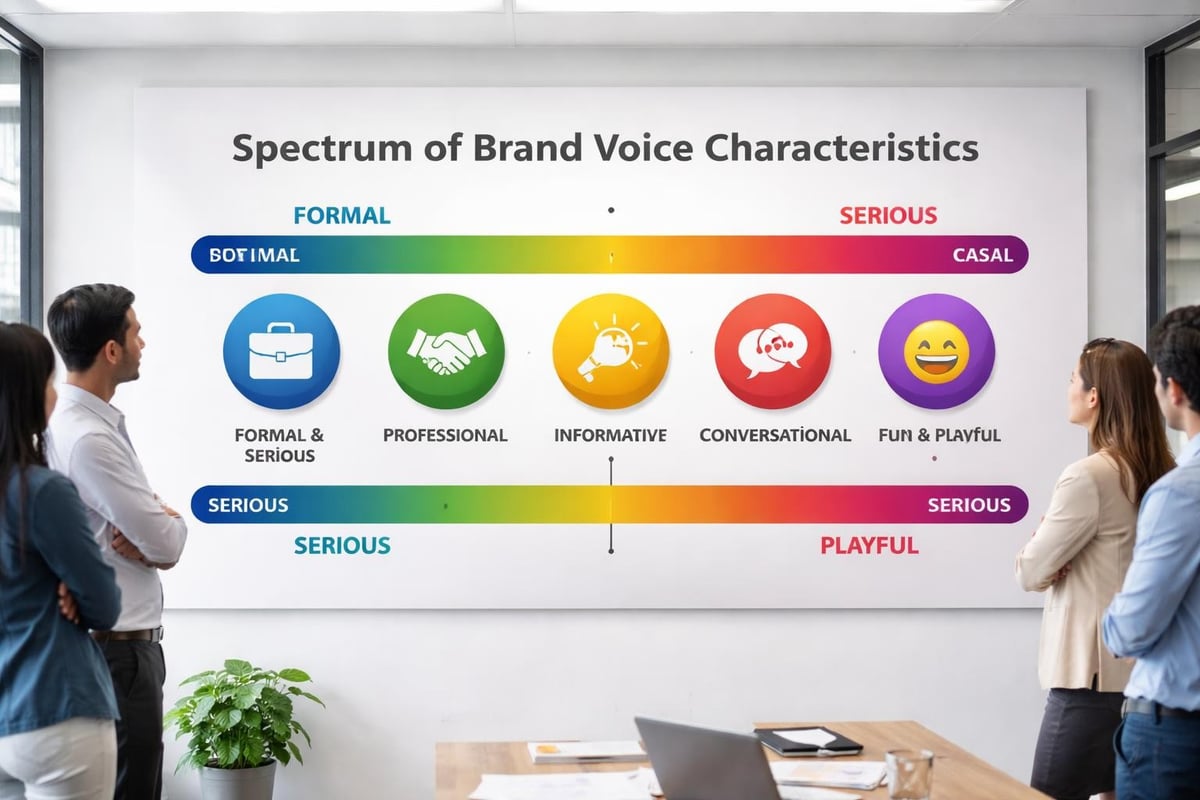
Developing Your Brand Voice
Your brand voice represents the distinctive personality infused into every communication touchpoint. It reflects your values, resonates with target audiences, and differentiates you from competitors. A well-defined voice creates immediate recognition and emotional connection.
Consider these voice dimensions:
- Formal vs. Casual: Professional expertise or approachable friendliness?
- Serious vs. Playful: Authoritative guidance or lighthearted engagement?
- Respectful vs. Irreverent: Traditional values or challenger mentality?
- Enthusiastic vs. Matter-of-fact: Energetic inspiration or calm confidence?
Your voice should align with audience expectations while feeling authentic to your brand identity. A disconnect between your actual culture and communicated personality creates distrust. Test different approaches, gather feedback, and refine until your voice feels natural and resonates consistently.
Personalization at Scale
Modern digital marketing communication leverages data and technology to deliver personalized experiences without sacrificing efficiency. Segmentation, dynamic content, behavioral triggers, and AI-powered recommendations enable you to speak directly to individual needs while managing thousands of customer relationships.
Personalization strategies include:
- Segmented email campaigns based on behavior and preferences
- Dynamic website content adapting to visitor characteristics
- Retargeting messages referencing specific browsing history
- Customized social media responses addressing individual contexts
- Product recommendations aligned with purchase patterns
The balance between personalization and privacy remains critical. Transparent communication about data usage, clear opt-in processes, and genuine value exchange ensure personalization enhances rather than undermines trust.
Leveraging Visual Communication for Greater Impact
Visual elements dramatically amplify digital marketing communication effectiveness. The human brain processes images 60,000 times faster than text, making visual storytelling essential for cutting through digital clutter and creating memorable brand experiences.
Design Principles for Digital Communication
Strategic design transforms abstract concepts into tangible, emotionally resonant experiences. Every color choice, typography decision, and layout configuration communicates subconscious messages about your brand values and personality.
Core design considerations:
- Color psychology: Select palettes that evoke desired emotional responses
- Typography hierarchy: Guide attention and improve comprehension
- White space utilization: Reduce cognitive load and highlight priorities
- Visual consistency: Reinforce brand recognition across touchpoints
- Accessibility standards: Ensure inclusive communication for all audiences
Professional design elevates perceived value and credibility. Research indicates that audiences form judgments about website credibility within 50 milliseconds based primarily on visual appeal. Your digital marketing communication design directly impacts whether audiences trust your message enough to engage further.
Video and Interactive Content
Video has become the dominant content format for digital marketing communication, with audiences consuming hours of video content daily. Video's power lies in combining visual, auditory, and emotional elements to create immersive experiences that text alone cannot achieve.
Short-form videos excel at capturing attention and delivering quick value. Long-form content builds deeper connections through comprehensive storytelling. Live streaming creates authentic, real-time interactions. The optimal mix depends on your audience preferences and platform strengths.
Interactive content-quizzes, calculators, assessments, configurators-transforms passive consumption into active participation. This engagement deepens memory formation and investment in outcomes, making your digital marketing communication significantly more effective at driving conversions.
| Content Format | Best Use Case | Engagement Level | Production Complexity |
|---|---|---|---|
| Short-form video | Quick tips, teasers, announcements | High | Low-Medium |
| Long-form video | Tutorials, interviews, storytelling | Very High | Medium-High |
| Infographics | Data visualization, process explanation | Medium-High | Medium |
| Interactive tools | Personalized recommendations, assessments | Very High | High |
| Static images | Product showcases, quotes, announcements | Medium | Low |
Measuring and Optimizing Communication Effectiveness
Data-driven optimization separates effective digital marketing communication from wasteful activity. Measurement provides insights into what resonates, what converts, and where improvements deliver maximum impact.
Essential Metrics and KPIs
Different communication objectives require different measurement approaches. Awareness campaigns track reach and impressions. Engagement initiatives monitor interactions and time spent. Conversion-focused communication emphasizes click-through rates and sales attribution.
Key performance indicators include:
- Reach metrics: Impressions, unique visitors, follower growth
- Engagement metrics: Likes, comments, shares, time on page
- Conversion metrics: Click-through rate, lead generation, sales
- Retention metrics: Return visitor rate, email open rates, customer lifetime value
- Sentiment metrics: Brand mentions, review ratings, sentiment analysis
Advanced analytics platforms enable multi-touch attribution, revealing how various communication touchpoints contribute to customer journeys. This understanding helps optimize budget allocation and messaging strategies across channels.
A/B Testing for Continuous Improvement
Systematic testing removes guesswork from digital marketing communication optimization. A/B testing compares variations to identify which elements drive superior performance, creating a feedback loop of continuous improvement.
Test variables systematically: headlines, calls-to-action, images, email subject lines, page layouts, video thumbnails, ad copy. Change one element at a time to isolate impact. Ensure sufficient sample sizes for statistical significance. Document findings and apply learnings across campaigns.
The organizations that build website authority through consistent testing and optimization gain compounding advantages. Each improvement builds on previous gains, creating increasingly effective communication systems.
Integrating Omnichannel Communication Strategies
Modern consumers interact with brands across multiple devices and platforms throughout their decision journey. Seamless omnichannel digital marketing communication ensures consistent, complementary experiences regardless of touchpoint sequence.
Creating Unified Customer Experiences
Omnichannel integration requires breaking down silos between marketing channels and departments. Your social media, email, website, advertising, and customer service teams must share data, align messaging, and coordinate timing to create coherent experiences.
Consider a customer journey example: A prospect discovers your brand through Instagram, visits your website to learn more, signs up for your email list, receives nurture sequences, engages with retargeting ads, and ultimately purchases through a promotional offer. Each touchpoint should acknowledge previous interactions and advance the relationship naturally.
Technology platforms enable this coordination through customer data platforms, marketing automation systems, and CRM integration. However, technology alone doesn't guarantee success-strategic planning ensures these tools serve unified communication objectives.
Email Marketing in the Digital Ecosystem
Despite social media growth, email remains one of the most effective digital marketing communication channels, delivering exceptional ROI and direct audience access. Strategic email communication nurtures relationships, delivers personalized value, and drives conversions.
Email strategy components:
- Welcome series introducing new subscribers to your brand
- Educational sequences providing ongoing value
- Promotional campaigns highlighting offers and launches
- Re-engagement campaigns reviving inactive subscribers
- Transactional emails enhancing purchase experiences
Effective email communication balances frequency with value. Too many messages create fatigue and unsubscribes. Too few messages reduce brand recall and revenue opportunities. Testing and monitoring engagement metrics identifies your audience's optimal frequency.

Social Media as Conversational Communication
Social platforms have fundamentally changed digital marketing communication from broadcast messaging to two-way conversations. Success requires active listening, genuine engagement, and community building rather than simply pushing promotional content.
Platform-Specific Strategies
Each social platform serves distinct purposes within your digital marketing communication ecosystem. LinkedIn facilitates professional networking and B2B relationship building. Instagram showcases visual brand personality and lifestyle associations. Facebook enables community creation and detailed targeting. Twitter supports real-time conversations and customer service. TikTok reaches younger demographics through creative, authentic content.
Understanding platform demographics, usage patterns, and content preferences ensures your communication resonates appropriately. A formal white paper might excel on LinkedIn but fail on TikTok, where informal, educational entertainment performs best.
Community Management and Engagement
Building engaged communities requires consistent presence, responsive communication, and genuine value delivery. Digital marketing communication succeeds when audiences feel heard, valued, and connected to something larger than transactions.
Respond promptly to comments and messages. Acknowledge both positive feedback and constructive criticism professionally. Create opportunities for community members to connect with each other, not just your brand. Share user-generated content celebrating customer success. Host live sessions enabling real-time interaction.
The investment in community building pays long-term dividends through increased loyalty, organic advocacy, and valuable feedback that improves products and services. Creating impactful content to enhance digital authority positions your brand as the central hub for your industry or niche community.
Content Authority and Credibility Building
Establishing authority through digital marketing communication requires consistently demonstrating expertise, transparency, and reliability. Authority translates directly into trust, which drives purchase decisions and long-term relationships.
Establishing Thought Leadership
Thought leadership positions individuals or brands as go-to experts within specific domains. This status amplifies communication effectiveness because audiences actively seek and share expert perspectives.
Building thought leadership requires:
- Original research and data-driven insights
- Consistent publishing of high-quality content
- Speaking engagements and industry participation
- Media mentions and interview opportunities
- Strategic networking with industry influencers
Authoritative content that maximizes influence positions your digital marketing communication as valuable resources worth audiences' limited attention. This authority compounds over time as each quality piece reinforces expertise perceptions.
Credibility Through Citation and Transparency
Supporting claims with credible sources strengthens your digital marketing communication's persuasiveness. Citing authoritative sources demonstrates thorough research, builds trust, and improves content quality signals for search engines.
Transparency about methodologies, limitations, and potential biases further enhances credibility. Audiences appreciate honesty more than perfection. Acknowledging uncertainties or areas for improvement demonstrates integrity that strengthens long-term relationships.
| Authority Building Tactic | Timeframe | Difficulty | Impact Potential |
|---|---|---|---|
| Consistent blogging | 6-12 months | Medium | High |
| Original research | 3-6 months | High | Very High |
| Guest contributions | 3-6 months | Medium-High | High |
| Social media presence | Ongoing | Low-Medium | Medium-High |
| Speaking engagements | 6-12 months | High | Very High |
| Industry certifications | 1-3 months | Medium | Medium |
Adapting Communication for Mobile-First Audiences
Mobile devices now dominate digital consumption, fundamentally changing how audiences interact with content. Effective digital marketing communication must prioritize mobile experiences, recognizing that most touchpoints occur on smartphones rather than desktops.
Mobile-Optimized Content Design
Mobile screens demand concise messaging, scannable formatting, and touch-friendly interfaces. Long paragraphs become overwhelming. Small fonts create friction. Complex navigation frustrates users. Your digital marketing communication must adapt to these constraints while maintaining impact.
Mobile optimization essentials:
- Short paragraphs and sentences for easy scanning
- Large, tappable buttons and interactive elements
- Fast-loading images optimized for mobile bandwidth
- Vertical video formats matching phone orientation
- Forms minimized to essential fields only
Test your communication across multiple devices and screen sizes. What appears polished on desktop might become unreadable on mobile. Prioritize mobile experience during creation rather than treating it as an afterthought.
Micro-Moments and Real-Time Communication
Mobile enables audiences to access information instantly whenever needs arise. These "micro-moments"-brief instances when people turn to devices for answers, solutions, or inspiration-create opportunities for timely, relevant digital marketing communication.
Understanding your audience's micro-moment patterns enables strategic content positioning. What questions do they ask? When do they search? What immediate needs can you address? Creating content that serves these real-time moments positions your brand as the obvious solution when purchase intent peaks.
The Role of Automation in Scaling Communication
Marketing automation technologies enable sophisticated digital marketing communication at scale without sacrificing personalization. Strategic automation handles repetitive tasks, triggers timely messages, and nurtures relationships efficiently.
Automation Workflows and Triggers
Effective automation begins with mapping customer journeys and identifying trigger points warranting communication. Welcome emails trigger upon subscription. Abandoned cart messages deploy when purchases remain incomplete. Re-engagement campaigns activate after periods of inactivity.
Workflows sequence multiple messages over time, progressively building relationships and moving prospects toward conversion. Educational sequences might deliver weekly tips. Launch campaigns could create anticipation through countdown messages. Post-purchase workflows ensure customer success and encourage reviews.
The key to successful automation lies in maintaining the human touch despite systematic delivery. Messages should feel personal, relevant, and valuable-never robotic or obviously templated.
Balancing Automation with Authentic Interaction
While automation enables efficiency, over-automation risks creating disconnected, impersonal experiences. The most effective digital marketing communication strategies balance automated workflows with genuine human interaction at critical touchpoints.
Reserve personal outreach for high-value opportunities, complex questions, and relationship-building moments. Use automation for scaling foundational communication while focusing human attention where it creates maximum impact. This hybrid approach delivers both efficiency and authenticity.
Crisis Communication in Digital Environments
Digital platforms amplify both positive and negative messages rapidly. Effective crisis communication strategies prepare brands to respond appropriately when challenges arise, protecting reputation and maintaining trust.
Preparing for Communication Challenges
Proactive planning enables calm, strategic responses during crises when emotions run high. Develop response protocols, assign team responsibilities, create message templates, and establish approval processes before issues emerge.
Crisis communication preparation includes:
- Social media monitoring for early issue detection
- Response team with clear roles and authority
- Message templates addressing common scenarios
- Escalation procedures for serious situations
- Post-crisis analysis processes for improvement
Speed matters in crisis response, but accuracy matters more. Taking time to gather facts prevents amplifying misinformation. Acknowledge situations quickly while promising thorough responses once information becomes available.
Transparency and Accountability
When mistakes occur, transparent acknowledgment and genuine accountability strengthen rather than damage relationships. Audiences forgive errors but rarely forgive cover-ups or deflection. Your digital marketing communication during challenges reveals true brand character.
Address issues directly, explain what happened, outline corrective actions, and demonstrate commitment to prevention. Follow through on promises and update audiences on progress. This approach transforms potential reputation disasters into trust-building opportunities.
Privacy, Ethics, and Responsible Communication
Effective digital marketing communication balances persuasion with respect for audience autonomy, privacy, and wellbeing. Ethical practices build sustainable relationships while protecting brand reputation in an increasingly conscious marketplace.
Data Privacy and Consent
Regulations like GDPR and evolving consumer expectations demand transparent data practices. Clearly communicate what information you collect, how it's used, and how audiences can control their data. Make opt-in processes genuinely voluntary rather than coercive.
Privacy-respecting communication builds trust that delivers better long-term results than aggressive data collection. Audiences increasingly value brands that respect boundaries and use data responsibly to enhance rather than exploit relationships.
Authentic Representation and Inclusivity
Your digital marketing communication should authentically represent diverse perspectives and experiences. Tokenistic inclusion or stereotypical representation damages credibility and alienates audiences. Genuine inclusivity requires involving diverse voices in content creation, not just featuring them superficially.
Consider accessibility throughout communication planning. Provide alt text for images, captions for videos, and clear language for complex topics. Inclusive design expands your reach while demonstrating values that resonate with modern audiences.
Emerging Technologies Shaping Future Communication
Digital marketing communication continues evolving as new technologies create novel engagement opportunities. Staying informed about emerging trends positions brands to adopt innovations strategically rather than reactively.
Artificial Intelligence and Personalization
AI-powered tools enable unprecedented personalization, content creation assistance, and predictive analytics. Chatbots provide instant customer service. Content generation tools accelerate creation processes. Predictive algorithms identify high-value prospects and optimal messaging.
However, AI augments rather than replaces human creativity and strategic thinking. The brands that excel in digital marketing communication use AI to handle data analysis and repetitive tasks while focusing human talent on strategy, creativity, and relationship building.
Voice Search and Conversational Interfaces
Voice-activated devices change how audiences search and consume content. Conversational queries replace keyword searches. Featured snippets and position zero become critical. Your digital marketing communication must adapt to natural language patterns and question-based content formats.
Optimizing for voice search requires understanding how people verbally request information differently than typing queries. Create content answering specific questions clearly and concisely. Structure information for easy extraction by voice assistants.
Mastering digital marketing communication requires integrating psychology, strategy, design, and technology into cohesive experiences that build authentic connections while driving measurable results. The brands that succeed balance data-driven optimization with human creativity, leveraging automation without sacrificing personalization, and maintaining consistency while adapting to platform-specific contexts. Whether you're refining your brand voice, scaling content production, or building omnichannel strategies, New Love Marketing & Design combines expertise in psychology-driven communication, strategic planning, and compelling design to help your brand connect emotionally and perform with purpose through The M Method framework.